The Deadnettle family or Lamiaceae: part 3

This week we continue with the last 3 genera in the Deadnettle family or Lamiaceae and its Subfamily 4: Nepetoideae which are the following:
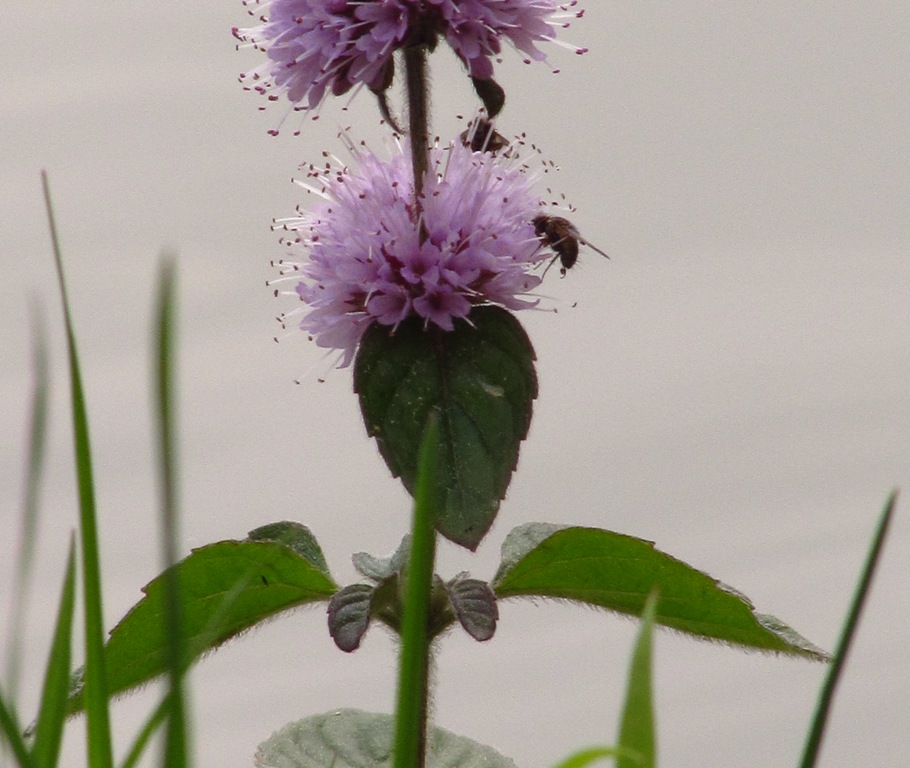
Mentha aquatica or Water Mint
  • Nepeta cataria or Cat-mint
  • Glechoma hederacea or Ground-ivy
  • Prunella spp or Selfheals
  • Clinopodium spp. or Calamints
  • Origanum vulgare or Wild Marjoram
  • Thymus spp or Thymes
  • Lycopus europaeus or Gypsywort
  • Mentha or the Mints
  • Salvia or Sage

The first 6 genera and species were discussed in part 2 of the Lamiaceae.

And also see part 1 here

The following will be highlighted this week:

  • Lycopus europaeus or Gypsywort.
  • Mentha or Mints.
  • From this large genus, Salvia or Sage, only 2 are native: S. pratensis or Meadow Clary and S. verbenaca or Wild Clary.

Most medicinal information is copied from the Medicinal Flora, Wikipedia and other fabulous websites and links are provided on the various plants covered as well as on difficult scientific or medical terms. Pictures by Matt Summers unless stated.

Blue background for intersting facts, green background for various uses and pink for medicinal uses. Occurence in the Black Country and Birmingham area shows as FBBC behind name in contents.

Contents:

continue: SUBFAMILY 4: NEPETOIDEAE (Genus 23-27)

23) Lycopus europaeus or Gypsywort (FBBC)

24) Mentha or Mints

and hybrids:

27) Salvia or Sages:

Salvia pratensis or Meadow Clary

Salvia verbenaca or Wild Clary (FBBC)

Other Salvias found wild occasionally in the B.I.:

  • S. glutinosa or Sticky Clary
  • S. officinalis or Sage
  • S. reflexa or Mintweed
  • S. sclarea or Clary
  • S. verticillata or Whorled Clary
  • S. viridis or Annual Clary
Continue reading “The Deadnettle family or Lamiaceae: part 3”

The Deadnettle family or Lamiaceae : part 2

Last week was part 1 of the Lamiaceae or Deadnettle family.

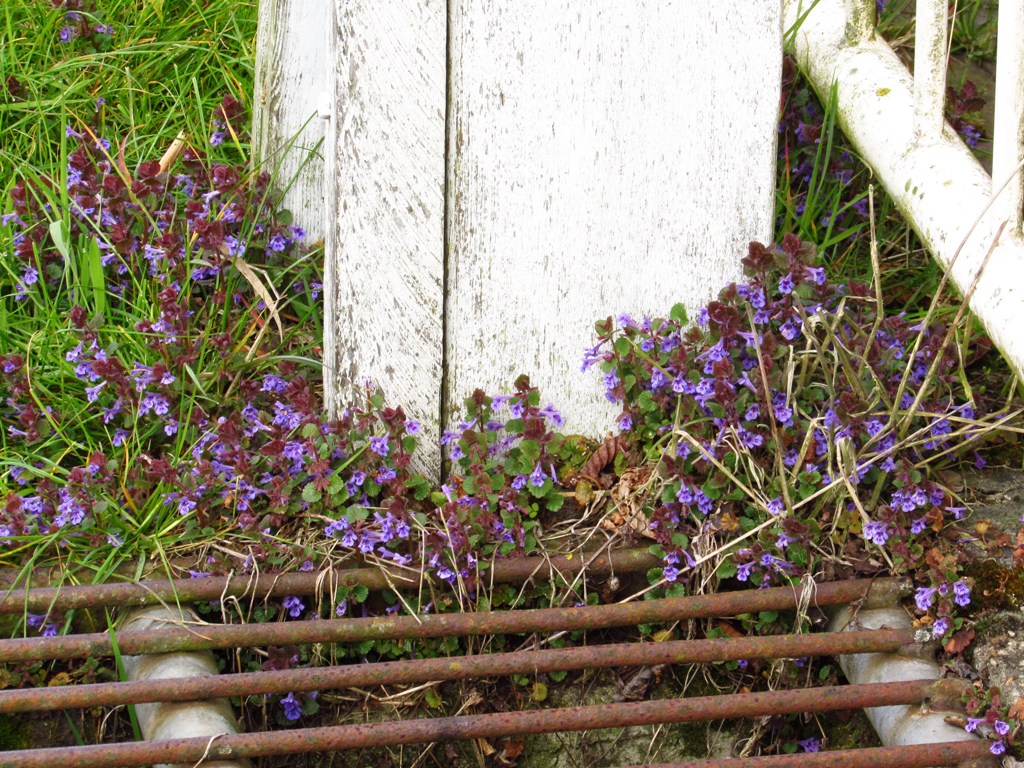
Pretty Ground Ivy or Glechoma hederacea in Subfamily Nepetoideae

This week I cover genus 12-22 from Stace, split into two subfamilies, which does make sense if you look at the arrangements of the flowers:

Pictures are by Matt Summers unless stated. FBBC behind names in contents stands for the Flora of Birmingham and the Black Country.

Contents:

SUBFAMILY 3: AJUGOIDEAE (Genus 12-13)

12) Teucrium or Germanders:

13) Ajuga or Bugles:

  • A. reptans or Bugle (FBBC)
  • A. chamaepitys or Ground-pine
  • A. pyramidalis or Pyramidal Bugle

SUBFAMILY 4: NEPETOIDEAE (Genus 14-27)

14) Nepeta cataria or Catmint (archaeophyte) (FBBC) and:

  • N. racemosa or Eastern Cat-mint
  • N. × ⁠faassenii (N. nepetella × racemosa)or Garden Cat-mint (FBBC)

15) Glechoma hederacea or Ground-ivy (FBBC)

16) Prunella vulgaris or Selfheal (FBBC)

  • P. grandiflora or Large-flowered Selfheal
  • P. laciniata or Cut-leaved Selfheal

17) Melissa officinalis or Lemon Balm (FBBC)

18)Satureja montana or Winter Savory

19) Clinopodium or Calamints:

20) Hyssopus officinalis or Hyssop (FBBC)

21) Origanum vulgare or Wild Marjoram

22) Thymus or Thymes

The following plants are covered in part 3

23) Lycopus europaeus or Gypsywort

24) Mentha or Mints. This is a difficult taxa for classification due to widespread hybridisation . But according to Stace; ‘with practice the scent of fresh plants is very helpful, but difficult to describe!’ Many are native but many will be introduced as escaped garden plants of course.

27) From this large genus, Salvia or Sage, only 2 are native: S. pratensis or Meadow Clary and S. verbenaca or Wild Clary.

On the next page you can find the medicinal and other uses of these handsome weeds! Pictures by Matt Summers and very much grateful for all other + Wikipedia picture providers!! Check out for pictures in Gallery of Plant Atlas Online and Wikipedia Commons. Blue background for general interest. Pink for medicinal uses. Most medicinal uses were found in Medicinal Flora. Green background for other uses and wildlife benefit. These were found mostly in PFAF and Wikipedia. Check

Continue reading “The Deadnettle family or Lamiaceae : part 2”

The Deadnettle family or Lamiaceae part 1

This family of the Lamiacea or the Deadnettle family (family 128 in Stace) is one of my favourites for the flowers and herbs it gives us. The insects and in particular the bees also love it for the nectar the flower provides.

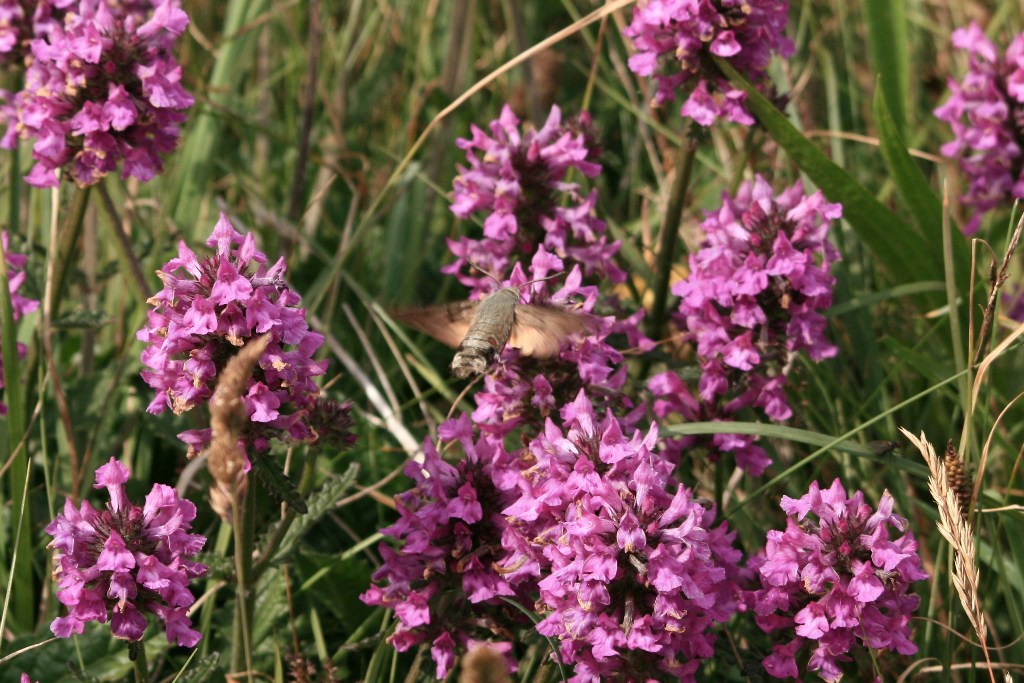
Betony on the Cornish coast attracting Hummingbird moth!

It is a large family in the B.I. with 27 genera. To identify to genus level, Stace has split them into 8 groups. Not all genera are native but may be garden escapes.  As it is too large for one week I will spread this family into 3 separate blogs and weeks.

See Part 2 here: https://wonderfulweedweekly.co.uk/the-lamiaceae-or-dead-nettle-family-part-2/ for the following species:

  • Nepeta cataria or Cat-mint
  • Prunella spp or Selfheals
  • Glechoma hederacea or Ground-ivy
  • Clinopodium spp. or Calamints
  • Origanum vulgare or Wild Marjoram
  • Thymus spp or Thymes

See Part 3 here: https://wonderfulweedweekly.co.uk/the-lamiaceae-or-dead-nettle-family-part-3/ for the following species:

  • Lycopus europaeus or Gypsywort
  • Mentha or the Mints
  • Salvia or Sage

To make life even easier for identifying the plants the taxonomists also have sub divided this large family world-wide into 4 Subfamilies, where again the genera in those groups have similar characters.

On the next page you can find the uses for all the members of the first 2 Subfamilies:

Blue background for general interest. Green background for general uses and wildlife. Pink background for medicinal uses. Pictures by Matt Summers, Mike Poulton or Rudi Pilsel unless otherwise stated. This post is updated with jumplinks. Also description info from Plant Atlas Online and see their gallery for pictures as well as in Wikipedia commons found on their website. Also added FBBC behind the names in ‘Contents’ if plants occur in the Flora of Birmingham and the Black Country.

Contents:

SUBFAMILY 1: LAMIOIDEAE (genus 1-10)

1) Stachys or Woundworts with 9 species;

  • S. alpina or Limestone Woundwort
  • S. annua or Annual Yellow-woundwort (neophyte) (FBBC)
  • S. arvensis or Field Woundwort (archaeophyte) (FBBC)
  • S. byzantina or Lamb’s-ear (neophyte) (FBBC)
  • S. germanica or Downy Woundwort

S. palustris or Marsh Woundwort (FBBC)

S. sylvatica or Hedge Woundwort (FBBC)

  •  S. × ⁠ambigua (= Stachys palustris × sylvatica) or Hybrid Woundwort (FBBC)
  • S. recta or Perennial Yellow-woundwort (neophyte)

2) Betonica officinalis or Betony (FBBC)

3) Ballota nigra or Black Horehound (FBBC)

4) Leonorus cardiaca or Motherwort (FBBC)

5) Lamiastrum galeobdolon subsp. montanum or Yellow Archangel (FBBC)

  • Lamiastrum galeobdolon subsp. argentatum (FBBC)

6) Lamium or Dead-nettles

7) Galeopsis or Hemp-nettles

9) Melittis melissophyllum or Bastard balm (FBBC)

10) Marrubium vulgare or White Horehound

SUBFAMILY 2: SCUTELLARIOIDEAE (Genus 11 in Stace)

Scutellarias or Skullcaps:

  • Scutellaria galericulata or Skullcap (FBBC)
  • S. altissima or Somerset Skullcap (neophyte)
  • S. minor or Lesser Skullcap (FBBC)

Uses are mainly medicinal so the following information comes mostly from the very useful book by Julian Barker: The Medicinal Flora of Britain and Northwestern Europe.  For clarity I will use the order as above in Stace rather than the order in this book. There are many difficult medical terms for which links are provided if you wish to know more about this.

Continue reading “The Deadnettle family or Lamiaceae part 1”