Useful Betulaceae part 2

  • Alnus glutinosa or Alder
  • Carpinus betulus or Hornbeam
  • Corylus avellana or Hazel

These are the 3 other genera all with only one species native on the British Isles, which are also in the Betulaceae or Betula family, like the Birch which I covered in an earlier blog-post!

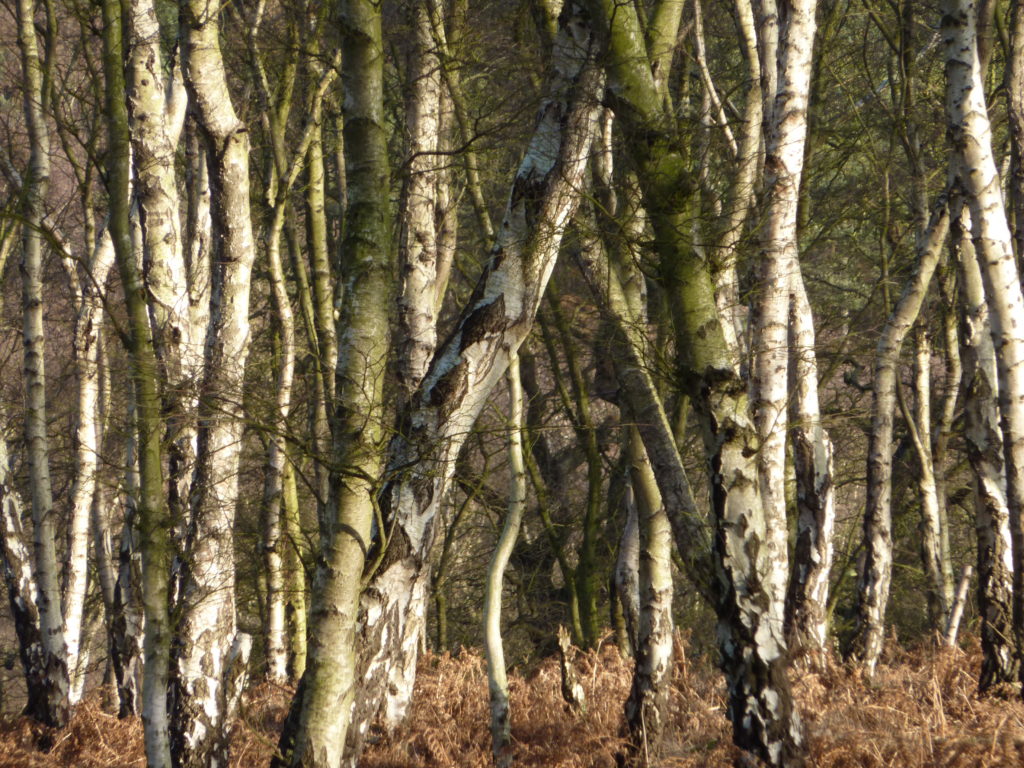
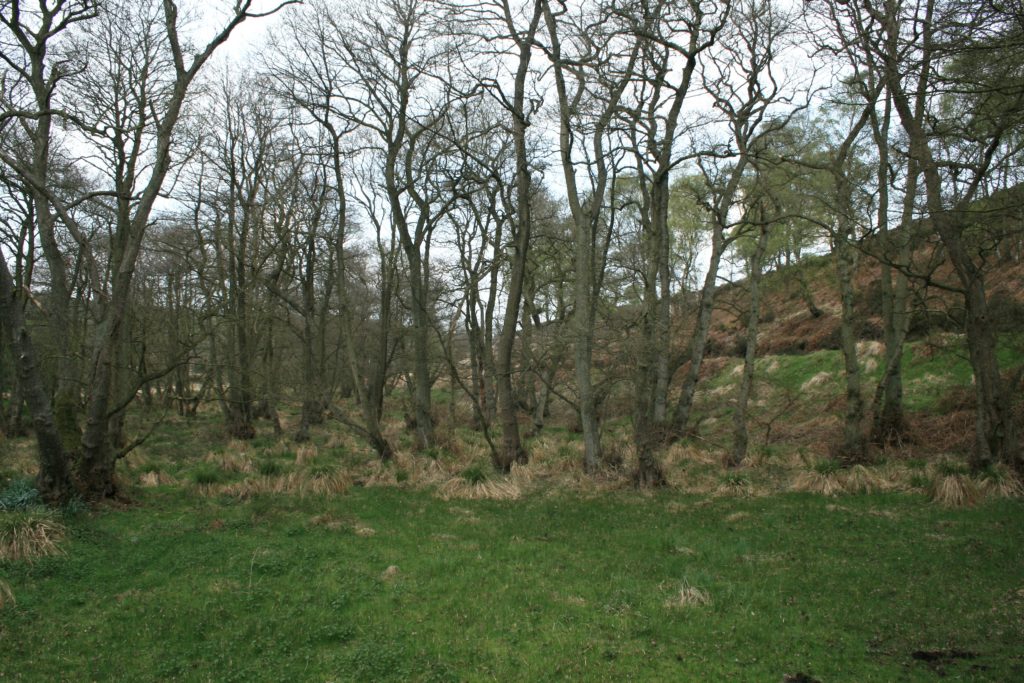
A stand of Alder along the brook at Cannock Chase

Information for this blog is again from various websites, for more information follow the links on the plant names. Green background signifies all sorts of uses, blue background for wildlife and ecological uses and pink background is for medicinal use. Pictures by Matt Summers, otherwise stated.

Contents:

Alnus glutinosa or Alder

Carpinus betulus or Hornbeam  

Corylus avellana or Hazelnut

Continue reading “Useful Betulaceae part 2”

The Useful Betulaceae!

Showing the very recognizable stems of our native Silver Birch.
The very recognizable stems of the Silver Birch at Cannock Chase

After all the native, short, flowering plants, this time a blog on the native, tall, woody trees called Betulaceae, which includes the main genus, Betula or Birch but also our native Alder, Hornbeam and Hazel belong in this family.

The Betulaceae or Birch Family is number 59 in Stace and has 3 straight native species of Birch as well as several hybrids, subspecies and introduced, ornamental varieties.

The birch is a typical pioneer, which means it can colonize new land very rapidly in the right conditions and can therefore be seen as a weed by some who wouldn’t like them to do this!

But most of us can agree that the Birch tree is very beautiful and hoping for you to learn in the following text that it is also a very useful tree as are its cousins, Alder, Hornbeam and Hazel about which I will tell you more in the second part!

Pictures by Matt Summers unless stated.

Contents

Betula pendula or Silver Birch

B. pubescens or Downy Birch

B. × ⁠aurata (Betula pendula × pubescens) or Hybrid Birch

B. nana or Dwarf Birch

Continue reading “The Useful Betulaceae!”

Some more members of Asteraceae and their uses (part 4)

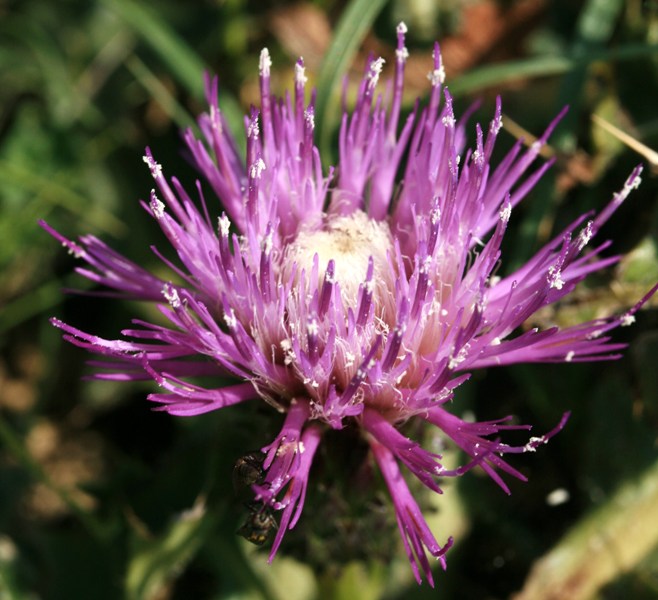
Close up from our Common Knapweed or Centaurea nigra.
The main heading of my wonderful weed blog is of Greater Knapweed or Centaurea scabiosa! See further in today’s block to learn about all the virtues of this genus.

Today I will write the last part on our native Asteraceae or ‘composites’ and daisy family in common terms. All known medicinal and other uses are mentioned.

On the end of this post are all the links to the posts I’ve done so far about this large family!

In the last post I covered with what we see as the common daisies: yellow centred disk flowered with a ray of white florets as well as a few other composites or Asteraceae.

This time we start with plants we don’t immediately associate with the composites, but closely observed we find always the common combination of many disc florets, surrounded or not with ray florets.

Then finishing off with the other typical group of the Asteraceae which are the various ‘dandelion like’ flower members!

Most medical information again from the Medicinal Flora by J. Barker. The links to the scientific and common name provide also with good, general information about the plants!

There is a green background for the text if the plant is edible, ornamental or otherwise useful for wildlife, etc. Pink background is either as a warning or medicinal use. Blue background for interesting facts! To make the post more colourful I have given the plant a background of the flower colour! There are few pictures in this post by Matt Summers, Mike Poulton and from Wikipedia)

MOST MEDICINAL PLANTS ARE ALSO TOXIC IN LARGE DOSE. Advice is to never self-medicate.

Contents:

ARTEMISIAS OR WORMWOODS

Tussilago farfara or Coltsfoot

Petasitis albus or White Butterbur & P. hybridus or Butterbur

  • P. japonicus or Giant Butterbur
  • P. pyrenaicus or Winter Heliotrope

Jacobaea vulgaris ( syn. Senecio jacobaea) or Common Ragwort

  • Jacobaea aquatica or Marsh Ragwort
  • J. erucifolia or Hoary Ragwort
  • J. maritima or Silver Ragwort (Neophyte)
  • J. paludosa or Fen Ragwort and also 2 hybrids:
  • J. × ⁠albescens (Jacobaea maritima × vulgaris)
  • J. × ⁠ostenfeldii (Jacobaea vulgaris × aquatica) 

Senecio vulgaris or Groundsel

  • S. cambrensis or Welsh Groundsel
  • S. doria or Golden Ragwort (Neophyte)
  • S. doronicum or Chamois Ragwort (Neophyte)
  • S. eboracensis or York Ragwort
  • S. glastifolius or Woad-leaved Ragwort (Neophyte)
  •  S. inaequidens or Narrow-leaved Ragwort (Neophyte)
  • S. minimus or Toothed Fireweed (Neophyte)
  • S. ovatus or Wood Ragwort (Neophyte)
  • S. sarracenicus or Broad-leaved Ragwort (Neophyte)
  • S. smithii or Magellan Ragwort (Neophyte)
  • S. squalidus or Oxford Ragwort (Neophyte)
  • S. sylvaticus or Heath Groundsel
  • S. vernalis or Eastern Groundsel (Neophyte)
  • S. viscosus or Sticky Groundsel (Neophyte)

Calendula officinalis or Pot Marigold

Calendula arvensis or Field Marigold (Neophyte)

Carlina vulgaris or Carline Thistle

Arctium lappa or Greater Burdock & A. minus or Lesser Burdock

Arctium tomentosum or Woolly Burdock

Silybum marianum or Milk Thistle

Centaurea nigra or Lesser Knapweed, C. scabiosa or Greater Knapweed, C. cyanus or Cornflower and:

  • Centaurea aspera or Rough Star-thistle (Neophyte)
  • C. calcitrapa or Red Star-thistle (Archaeophyte)
  • C. diluta or Lesser Star-thistle (Neophyte)
  • C. jacea or Brown Knapweed (Neophyte)
  • C. macrocephala or Giant Knapweed (Neophyte)
  • C. montana or Perennial Cornflower (Neophyte)
  • C. solstitialis or Yellow Star-thistle (Neophyte)

Cichorium intybus or Chicory/Wild Succory

Hypochoeris radicata or Cat’s-ear

Tragopogon pratensis or Goat’s-beard & Jack-go-to-bed-at-noon and

Tragopogon porrifolius or Salsify

Sonchus oleraceus or Smooth Sow-thistle and

S. asper or Spiny Sow-thistle

Lactuca virosa or Wild Lettuce

Taraxacum aggr.  or Dandelion

Lapsana communis or Nipplewort

Hieracium  sps. or Hawkweed

Pilosella officinarum  or  Mouse-ear Hawkweed & P. aurantiaca or Fox-and-Cubs

Continue reading “Some more members of Asteraceae and their uses (part 4)”

The more common natives of the Daisy family and their medicinal and some other uses! (part 3)

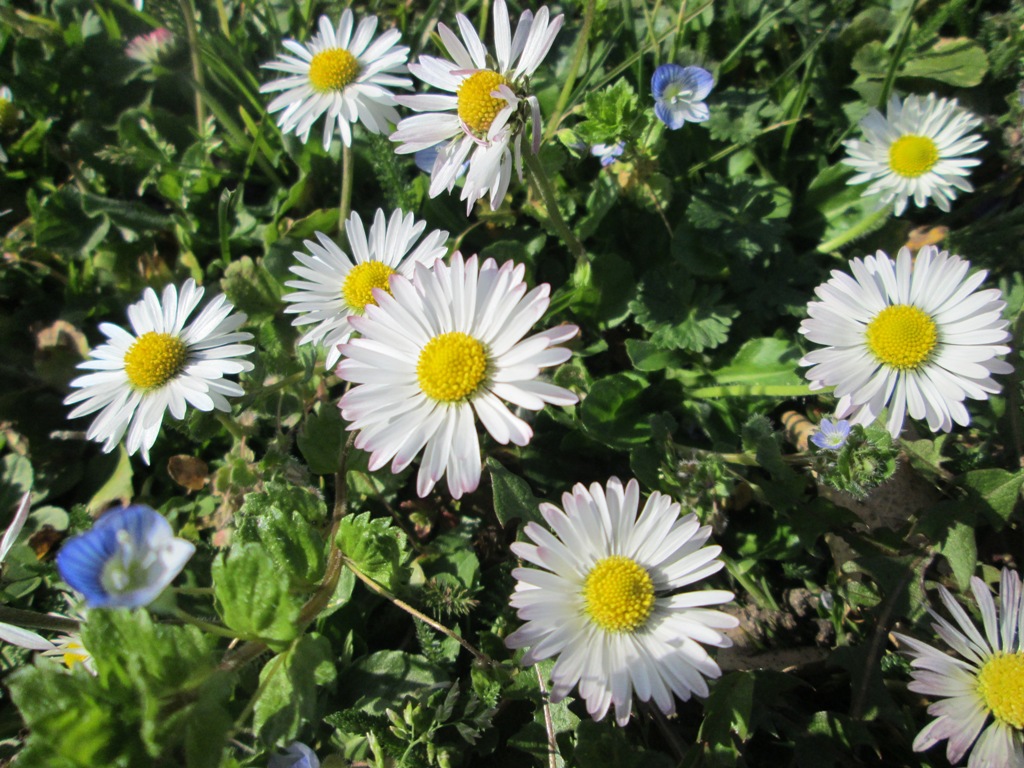
The humble daisy! (Picture by AnRo0002 – Own work; Wikipedia)

In my last blog I introduced you to the main uses of the Asteraceae or the Daisy family. The first post was all about the classification of this large family.

Today I will list some of the commonly known, medicinal ones in our temperate climate, as mentioned in the Medicinal Flora by Julian Barker.

I will include links on both of the plant names so you will be able to read more about each plant on other useful websites. Pictures (also heading) by Mike Poulton, Rudi Pilsel, Andy Purcell, Matt Summers and Wikipedia. You can find more pictures on Wikipedia> tools >Wikipedia Commons as well as in the Gallery of Plant Atlas 2020 Online.

I will also colour code the blocks on the colour of the flower. Hope you will find that useful as well as pretty! Most uses are medicinal. Plants used as an ornamental or other uses are backed by a green colour! The link on the Scientific name as well as the information about habitat is from Plant Atlas 2020 Online (backed by blue).

Cautions: This is a ‘ethno’ and an educational blog on the known medical uses of the Composites or Daisy family. There are many cautions mentioned and self-medication is therefore not advised: seek help through a qualified herbalist!

Contents:

Eupatorium cannabinum or Hemp Agrimony

Solidago virgaurea or Golden Rod

And 4 other species:

  • Solidago canadensis or Canadian Goldenrod
  • S. gigantea or Early Goldenrod
  • S. rugosa or Rough-stemmed Goldenrod
  • S. sempervirens or Salt-marsh Goldenrod

Bellis perennis or Daisy

Erigeron canadensis or Canadian Fleabane

And 10 more species of Erigeron on the B. I.:

  • Erigeron acris or Blue Fleabane
  • E. annuus or Tall Fleabane
  • E. bonariensis or Argentine Fleabane
  • E. borealis or Alpine Fleabane
  • E. floribundus or Bilbao Fleabane
  • E. glaucus or Glaucous-leaved Fleabane and Seaside Daisy
  • E. karvinskianus or Mexican Fleabane
  • E. philadelphicus or Robin’s-plantain and Philadelphia Fleabane
  • E. speciosus or Garden Fleabane
  • E. sumatrensis or Guernsey Fleabane

Gnaphalium uliginosum or Marsh Cudweed

other former Gnaphalium spp. found:

  • Gnaphalium dioicum – now Antennaria dioica or Mountain Everlasting (see below)
  • G. germanicum- now Filago germanica or Common Cudweed
  • G. luteo-album – now Laphangium luteoalbum or Jersey Cudweed (Neophyte)
  • G. margaritaceum – now Anaphalis margaritacea or Pearly Everlasting (Neophyte)
  • G. minimum – now Logfia minima or Small Cudweed
  • G. norvegicum – now Omalotheca norvegica or Highland Cudweed
  • G. pensylvanicum and G. purpureum – now Gamochaeta purpurea or American Cudweed (Neophyte)
  • G. polysephalum and G. undulatum – now Pseudognaphalium undulatum or Cape Cudweed (Neophyte)
  • G. supinum – now Omalotheca supina or Dwarf Cudweed
  • G. sylvaticum and varieties – now Omalotheca sylvatica or Heath Cudweed

Antennaria dioica or Cat’s foot, Life Everlasting or Mountain Everlasting

Inula helenium or Elecampane

  • Inula conyzae or Ploughman’s-spikenard
  • I. hookeri or Hooker’s Fleabane (Neophyte)
  • I. oculus-christi or Hairy Fleabane (Neophyte)
  • I. salicina or Irish Fleabane (Native in Ireland)

Pulicaria dysenterica or Common Fleabane

  • Pulicaria vulgaris or Small Fleabane

Bidens tripartita or Bur-marigold, Trifid Bur-marigold

  • Bidens cernua or Nodding Bur-marigold
  • B. connata or London Bur-marigold (Neophyte)
  • B. ferulifolia or Fern-leaved Beggarticks (Neophyte)
  • B. frondosa or Beggarticks (Neophyte)
  • B. pilosa or Black-jack (rare Neophyte)

Xanthium strumarium or Common Cocklebur

  • Xanthium spinosum or Spiny Cocklebur

Gallinsoga parviflora or Gallant Soldier, Kew Weed

  • G. quadriradiata or Shaggy Soldier

Achillea ptarmica or Sneezewort A. millefolium or Yarrow

  • Achillea distans or Tall Yarrow (Neophyte)
  • A. filipendulina or Fern-leaf Yarrow (Neophyte)
  • A. ligustica or Southern Yarrow (very rare Neophyte)
  • A. maritima or Cottonweed
  • A. nobilis or Noble Yarrow

The Chamomiles and Related plants

1) Anthemis cotula or Stinking Mayweed, Stinking Chamomile

  • Anthemis arvensis or Corn Chamomile
  • A. punctata or Sicilian Chamomile (Neophyte)

2) Chamaemelum nobile or Roman Chamomile 3) Matricaria chamomilla or German Chamomile 4) Matricaria discoidea or Pineapple Weed or Rayless Mayweed

Tanacetum vulgare or Tansy Tanacetum parthenium or Feverfew

  • Tanacetum balsamita or Costmary (Neophyte)
  • Tanacetum macrophyllum or Rayed Tansy (Neophyte)

Leucanthemum vulgare or Ox-eye daisy

  • L. × ⁠superbum or Shasta Daisy
Continue reading “The more common natives of the Daisy family and their medicinal and some other uses! (part 3)”