Foraging plants and their uses; an easy guide by Mike Poulton

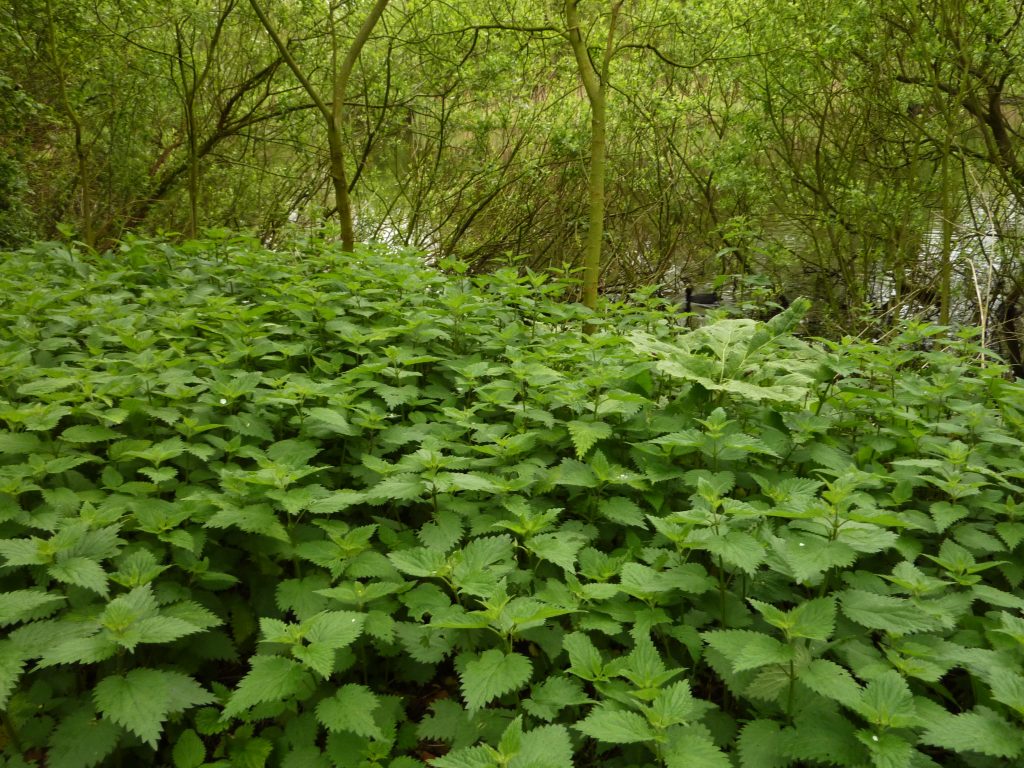
Nettle tops can be used as long as they look like this!

Foraging has been done for centuries but is hopefully getting a bit of a revival!

People like to have a connection with nature again, especially with their daily exercise in lockdown situation and what a better way to do this then to go out there and forage!

So today I would like to introduce you to a document received from fellow botanist Mike Poulton, who used to do training sessions on foraging for wild plants.  It is a good, quick reference to the more useful wild plants for food!

The edible parts of the native plants are listed with their common names and categorized in 5 sections: leaves and shoots (1), herbs (2), edible flowers (3), fruits and seeds (4) and roots (5).

Continue reading “Foraging plants and their uses; an easy guide by Mike Poulton”
Ten ‘Popular’ weeds


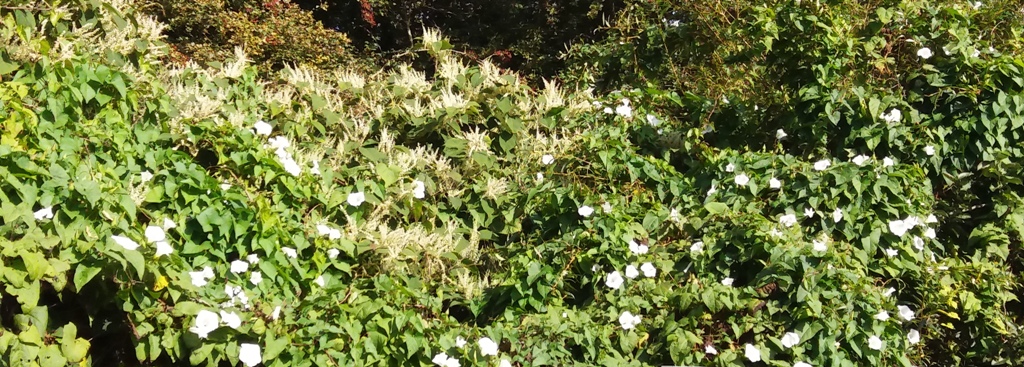
Japanese Knotweed and Bindweed making a happy display on my allotment every summer!

We made a new video showing ten more common weeds, which after this post hopefully will also be more popular! Unfortunately the embedding did not work this time so please click on the link below:

https://www.youtube.com/watch?v=777Or-msBFo

A brief description of the weeds with pictures by my partner Matt Summers, unless stated differently, follow below this introduction. Most weeds have been covered in a more detailed post in earlier posts and then mostly about their whole family for which there is a link on the start of each plant description.

Weeds are not at all bad; they are just inconvenient for us human beings!

Maybe we were just going to plant another more attractive plant in that place or maybe we desperately needed that exact spot for making a new drive for all our vehicles we need to park in front of our house? Or another more common reason is to just remove it as it looks aesthetically not pleasing to our tidy eyes!

Don’t worry I can just be as bad sometimes and not have a really proper reason for removing a weed…

But this is the exact reason why I write about them and try to make us see all their known good uses they got.

All their bad reasons for existence are mentioned already on many websites and this is hopefully not why you came to my site in the first place?

Continue reading “Ten ‘Popular’ weeds”

My dream for an Ethnobotanical Garden!

Ethnobotanical Gardens what are they?

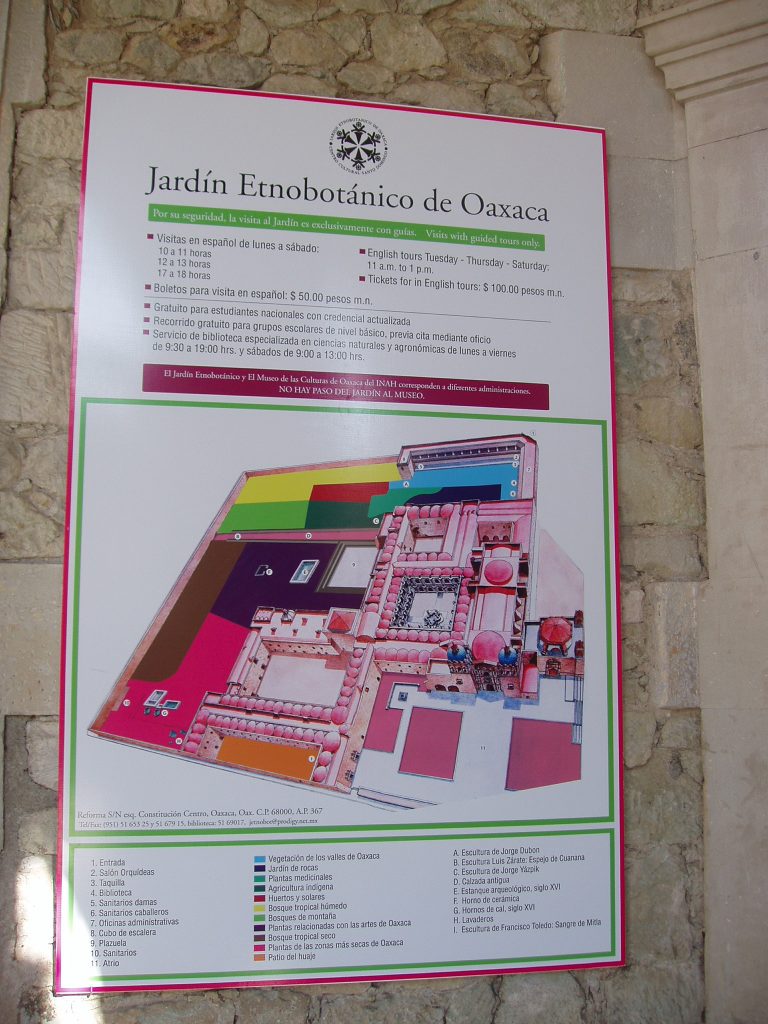
The whole idea of starting an Ethnobotanical garden came about after volunteering for 2 months at ‘Jardin Etnobotanico de Oaxaca’ in 2008!

So what is an Ethnobotanical garden? Hope to explain all about this on the next page and why I feel it is important to have one in this day and age of global warming and pandemics!

Continue reading “My dream for an Ethnobotanical Garden!”

Weeds encountered in Tropical countries

This is a one off blog about some weeds found in tropical countries. Most of those are actually exotics from other tropical climates which originally may have been introduced as an ornamental, just as in our own temperate world!

But you will be surprised that their are also temperate plants which can become weeds in the tropics!

My blog now got a big brother in the form of a short video each week about ten popular, or not so popular weeds! Watch the video below.

The videos are created by my friend:

BrownPolar For PlantCentre ‘good is green’™

Continue reading “Weeds encountered in Tropical countries”

Polygonaceae, Part two: Knotgrasses and Knotweeds:

Two infamous plants with attractive white flowers: Bindweed and Japanese Knotweed!

Last week we talked about the more prominent genera and species of the Polygonaceae, this week about the other 9 remaining genera which also has one famous non native weed: the Japanese knotweed!

Please follow links for more information. Pictures by Matt Summers or from Wikipedia Commons. FBBC added behind name if the plants occur in the Birmingham and Black Country area.

Contents:

Persicaria spp. or Knotweeds

Koenigia spp.

Fagopyrum spp or Buckwheats (neophytes)

Polygonum spp. or Knotgrasses

Bistorta spp.

Fallopia spp or Rusian Vines

  • F. baldschuanica or Russian-vine (neophyte) FBBC
  • F. convolvulus or Black-bindweed (archaeophyte) FBBC
  • F. dumetorum or Copse-bindweed

Reynoutria spp. or Knotweeds

  • R. japonica or Japanese Knotweed (neophyte) FBBC
  • R. sachalinensis or Giant Knotweed (neophyte) FBBC
  • R. × ⁠bohemica (= R. japonica × sachalinensis) or Bohemian Knotweed FBBC

Muehlenbeckia complexa or Wireplant

Rheum spp. or Rhubarbs

  • R. palmatum or Ornamental Rhubarb
  • R.  × ⁠rhabarbarum or Rhubarb FBBC
Continue reading “Polygonaceae, Part two: Knotgrasses and Knotweeds:”