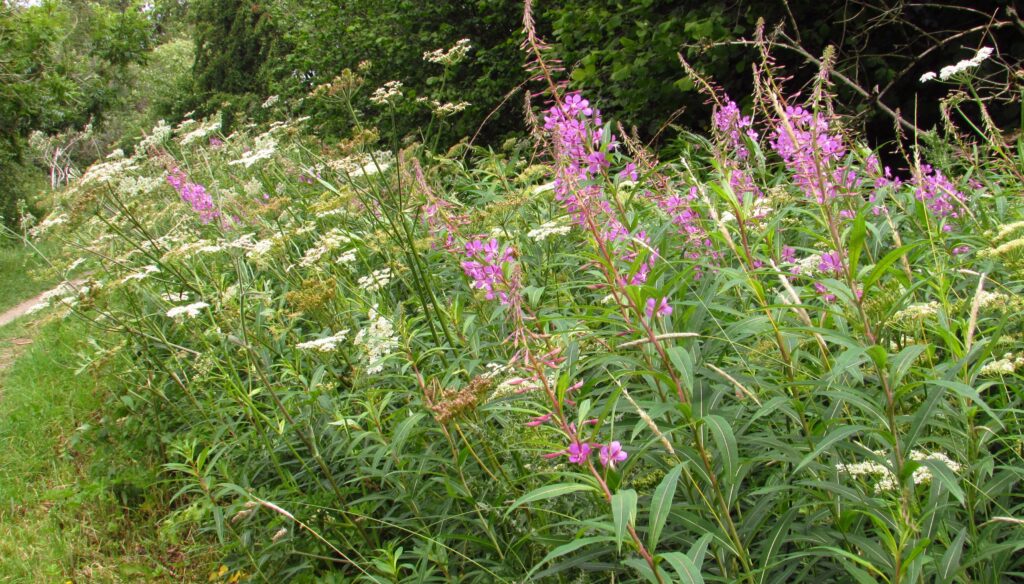
Rosebay willowherb and Hogweed make a surprisingly attractive display at ‘the Dingle’ in Walsall
The RHS have mentioned the Rosebay willowherb to be a weed which is therefore a good reason for me to write about this plant in my wonderful weed blog as well as some others in the same family!
It is in the Willowherb family or Onagraceae which is number 73 in Stace. This post is about all the 7 genera and its species occurring in the British Isles.
Please Note: This is an educational blog only and I can’t be responsible for self medication!
I use colour coding for easy reading! Blue background is general interesting info (although I hope you find it all interesting!!). Green is about all the uses except for medicinal uses or if there is a warning in which case I use a pink background. Pictures by Matt Summers and Wikipedia. For good pictures also look in Gallery of Plant Online Atlas link (on Scientific name, in Wikipedia Commons and INaturalist often also the Common name link)
This week a relative small family in our regions; the Plantaginaceae or the Plantains.
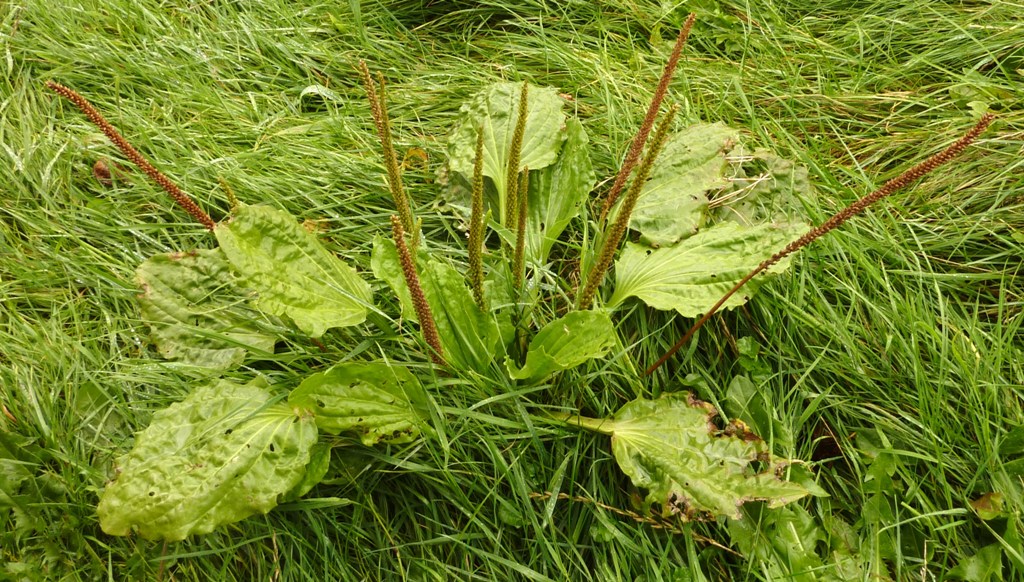
Greater Plantain or Plantago major is probably our best known species in this family
The Plantaginaceae is now in the 121st family in the latest 4th edition of Stace, behind the colourful Veronicaceae (Speedwell family) and before the obscure Hippuridaceae (Mare’s-tail family).
It consist of just two genera, Plantago with 7 species and Littorella with just one species.
Each species is a much more humble plant, not really shouting out for attention as some of our plant families covered in earlier blogs.
The generic name Plantago is derived from the Latin for sole and it should not be confused with the other unrelated, tropical plantain which is a starchy banana!
In my eyes it is an attractive genus with boldness in its various leaf outlines and interesting flower spikes!
For more information about the plants or medical conditions I’ve provided a link and I am again indebted for Wikipedia and other fabulous websites for their information. As this is an educational blog I gather as much information on each plant group about their uses as possible and then try and condense this in an easy, much edited version for you.
Medical uses are in a pink background, interesting facts in blue and other uses are in green. Pictures are by Matt Summers or otherwise stated. Added is FBBC if the plant occurs in The Birmingham and Black Country area/Flora. For more pictures look in the gallery section of Plant Atlas Online.
Plantago is a genus of about 200 species of flowering plants in the family Plantaginaceae, commonly called Plantains or Fleaworts. The common name plantain is shared with the unrelated cooking plantain. Most are herbaceous plants, though a few are subshrubs growing to 60 centimetres (24 inches) tall.
There are 7 species known on the B.I. and one subsp. of Greater Plantain.
A perennial herb of open habitats; it is most frequent on trampled paths and tracks, disturbed field edges and roadsides, and in gardens, but it also occurs in some closed grasslands. It grows in a wide range of soils, avoiding only very acidic sites, and can produce a large and persistent seed bank.
Some interesting information can be found in the electronic version of ‘a Modern Herbal’, first published in 1931 by Mrs. M. Grieve. This Herbal is a mine of information.The original bookcontains Medicinal, Culinary, Cosmetic and Economic Properties, Cultivation and Folk-Lore of Herbs.
The Great or Broad-leaved Plantain seems to have followed the migration of our colonists to every part of the world, and in both America and New Zealand it has been called by the aborigines the ‘Englishman’s Foot’ (or the White Man’s Foot), for wherever the English have taken possession of the soil, the Plantain springs up.
Our Saxon ancestors esteemed it highly and in the old Lacnunga, the Weg brade or Way bread, is mentioned as one of the nine sacred herbs. In this most ancient source of Anglo-Saxon medicine, we find this ‘salve for flying venom’: ‘Take a handful of hammer wort and a handful of maythe (chamomile) and a handful of waybread and roots of water dock, seek those which will float, and one eggshell full of clean honey, then take clean butter, let him who will help to work up the salve, melt it thrice: let one sing a mass over the worts, before they are put together and the salve is wrought up.‘
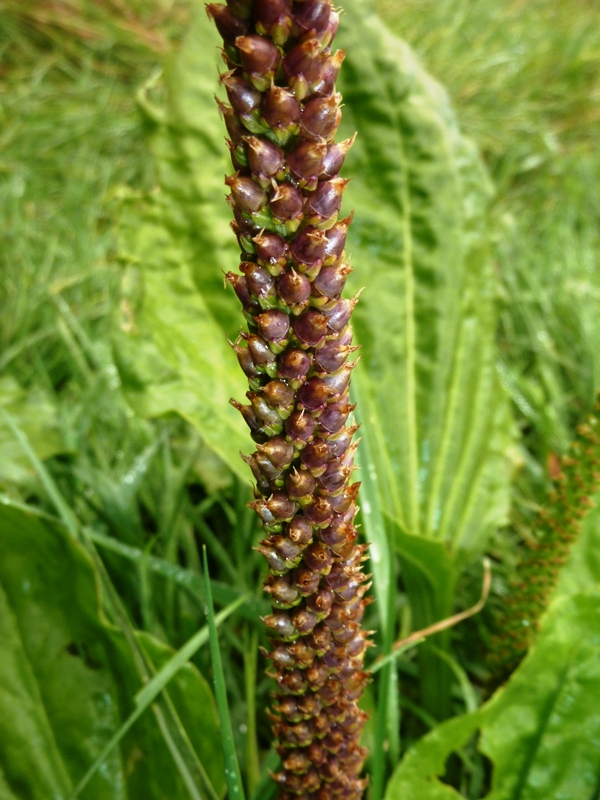
Plantain is wind-pollinated, and propagates primarily by seeds, which are held on the long, narrow spikes which rise well above the foliage. Each plant can produce up to 20,000 seeds, which are very small and oval-shaped, with a bitter taste.
It frequently grows in lawns and fields, along roadsides, and in other areas that have been disturbed by humans. It does particularly well in compacted or disturbed soils. The plant can often be spotted on old road tracks.
The ability of plantain to survive frequent trampling and colonize compacted soils makes it important for soil rehabilitation. Its roots break up hardpan surfaces, while simultaneously holding together the soil to prevent erosion.
The mature plant contains pliable and tough fibres that can be used in survival situations to make small cords, fishing line, sutures, or braiding. (Sutures:Medical sutures used to close wounds are frequently made from braided materials for strength and smooth passage through tissue.)
There is one attractive ornamental variety called Plantago major ‘Rubrifolia’. There is also a variegated leaved form, which I’ve never seen. The red colouring goes even more red in dry, sunny and poor conditions. In good soil the leaves can grow large, resembling a Hosta! I use it in prairy-style planting or even in mixed pots and hanging baskets!
This year I grow Plantago major ‘Rosularis’ which is a strange mutant where there are no flowers but a rose-like flower of bracts!
The leaves are edible as a salad green when young and tender, but they quickly become tough and fibrous as they get older. Many people blanch the leaves in boiling water before using them in salads.
The older leaves can be cooked in stews.The leaves contain calcium and other minerals, with 100 grams of plantain containing approximately the same amount of beta-carotene as a large carrot.
The dried leaves make an acceptable tea.
The seeds are so small that they are tedious to gather, but they can be ground into a flour substitute. It is very rich in vitamin B1. The whole seeds can be boiled and used like sago.
A safe and effective treatment for bleeding, it quickly staunches blood flow and encourages the repair of damaged tissue.
Internally, they are used in the treatment of a wide range of complaints including diarrhoea, gastritis, peptic ulcers, irritable bowel syndrome, haemorrhage, haemorrhoids, cystitis, bronchitis, catarrh, sinusitis, asthma and hay fever.
They are used externally in treating skin inflammations, malignant ulcers, cuts, stings etc.
The heated leaves are used as a wet dressing for wounds, swellings etc.
The root is a remedy for the bite of rattlesnakes; it is used in equal portions with white horehound or Marrubium vulgare. (Not very applicable to our British Isles I know…)
The seeds are used in the treatment of parasitic worms.
Plantain seeds contain up to 30% mucilage which swells up in the gut, acting as a bulk laxative and soothing irritated membranes. Sometimes the seed husks are used without the seeds.
Distilled water made from the plant makes an excellent eye lotion.
The next common Plantain is the Ribwort Plantain which is again an attractive plant especially in combination with the dainty flower heads.
A perennial herb, found in most grassland habitats over all but the most acidic soils. It occurs in meadows and pastures, in upland grasslands, on rock ledges and crevices, sand dunes and sea cliffs (including sites subject to sea-spray), on roadsides and riverbanks, in cultivated and waste ground, in lawns and on walls.
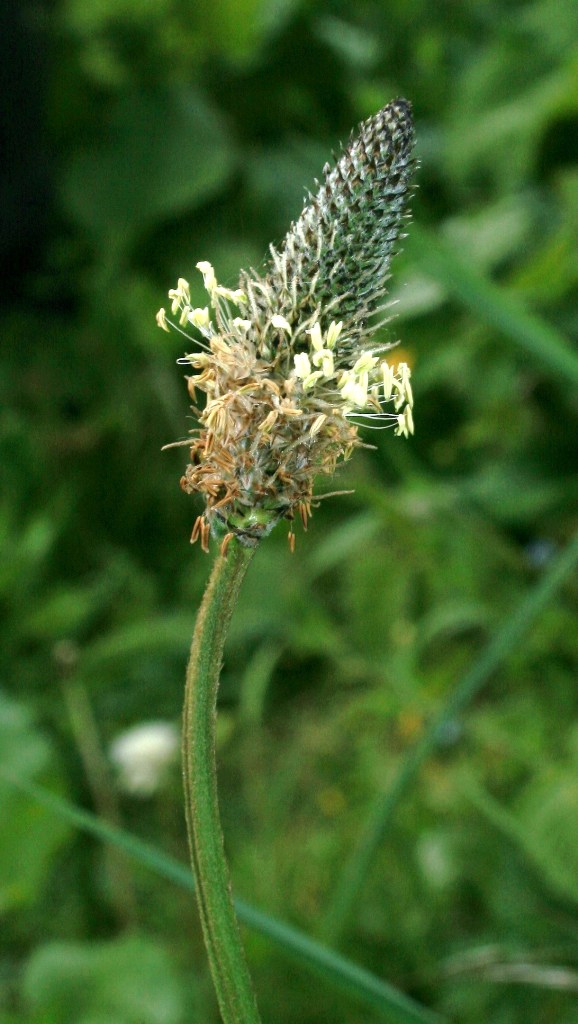
The lovely shuttle head flower of Ribwort Plantain.
It grows anywhere in especially disturbed habitats and the long leaves can adapt by growing more flat to the ground when frequently mowed or trampled by feet or hoofs!
In the UK and Ireland the plant is used by children to play various simple games. In Edinburgh, Scotland this game is called ‘The 1 o’clock gun’ after the gun that fires everyday from Edinburgh Castle. Writer Sean Michael Wilson notes that: “When I was a kid in Edinburgh we used it for a cute wee game called ‘The 1 o’clock gun’ – we twisted the stalk around into a kind of noose, quickly pulled it (with the left hand pulling back sharply and the right hand moving forward) and then the head of the stalk would go shooting off. We used to see how far we could get it to go – great fun.” In the West Country of England the same game is called ‘cannonballs’. Another game played with the plant in Scotland and Ireland and possibly also in England is called ‘Bishops’. This game is a bit like conkers; a child tries to knock off the head of their friend’s stalk using their own stalk, via a fast downward thrust.
The mode of reproduction can vary among populations of P. lanceolata. Reproduction occurs sexually, with the pollen being wind dispersed for the most part, though the plant is occasionally pollinated by bees.P. lanceolata cannot self (= reproduce asexually) in the way that many other species of Plantago can; instead, it is an obligate outcrosser.
Plantago lanceolata is host to many different species of the order Lepidoptera. Species such as Junonia coenia, Spilosoma congrua, and Melitaea cinxia lay their eggs on P. lanceolata plants so they can serve as a food source for the larvae when they hatch.
The iridoid glycosides in the plant leaves accumulate in the caterpillars and make them unpalatable to predators.
Songbirds eat the seeds, and the leaves are loved by rabbits.
Similar medicinal uses to the Broadleaf Plantain (P. major)
Plantago lanceolata is used frequently in herbal teas and other herbal remedies.
A tea from the leaves is used as a cough medicine.
In the traditional Austrian medicine Plantago lanceolata leaves have been used internally (as syrup or tea) or externally (fresh leaves) for treatment of disorders of the respiratory tract, skin, insect bites, and infections.
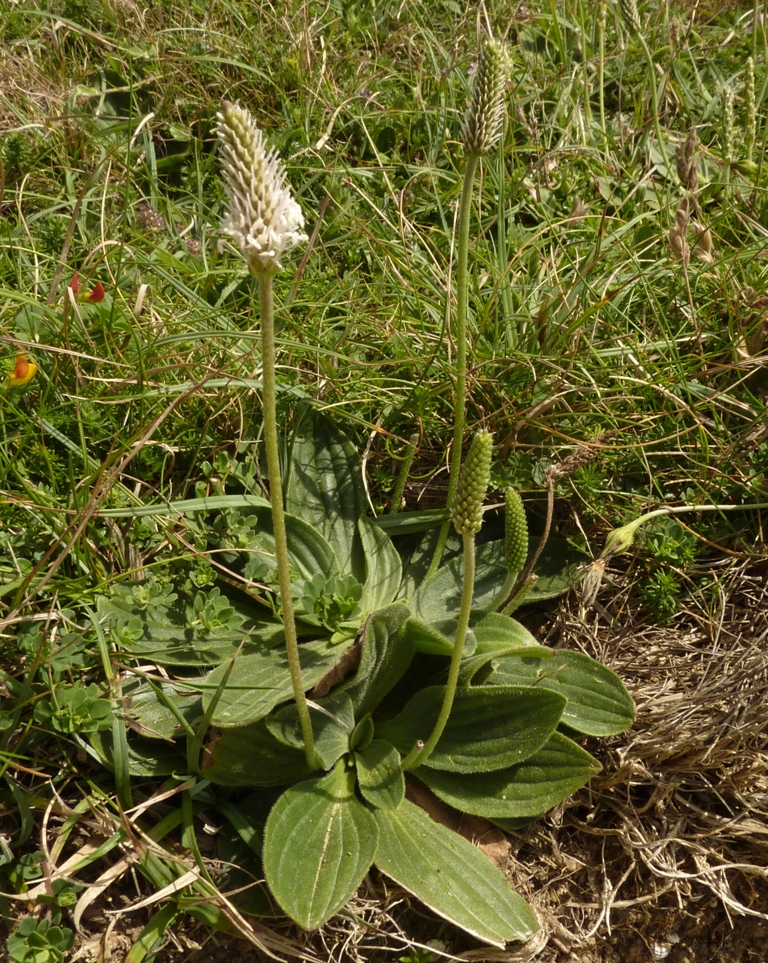
Rosette of the Hoary Plantain or P. media Apt scientific name, as the leaves are somewhat in between the Ribwort and Broadleaf Plantain!
A perennial herb of chalk and limestone soils as well as heavy clays. Its main habitats are chalk and limestone downland, track edges, calcareous pasture and mown grassland (such as churchyards); it is less frequent in hay meadows and on fixed sand dunes, and is sometimes found in flood-meadows which receive calcareous water (Grose, 1957). Seed appears to be short-lived.
It cannot grow in the shade. It prefers dry or moist soil. The plant can tolerate maritime exposure.
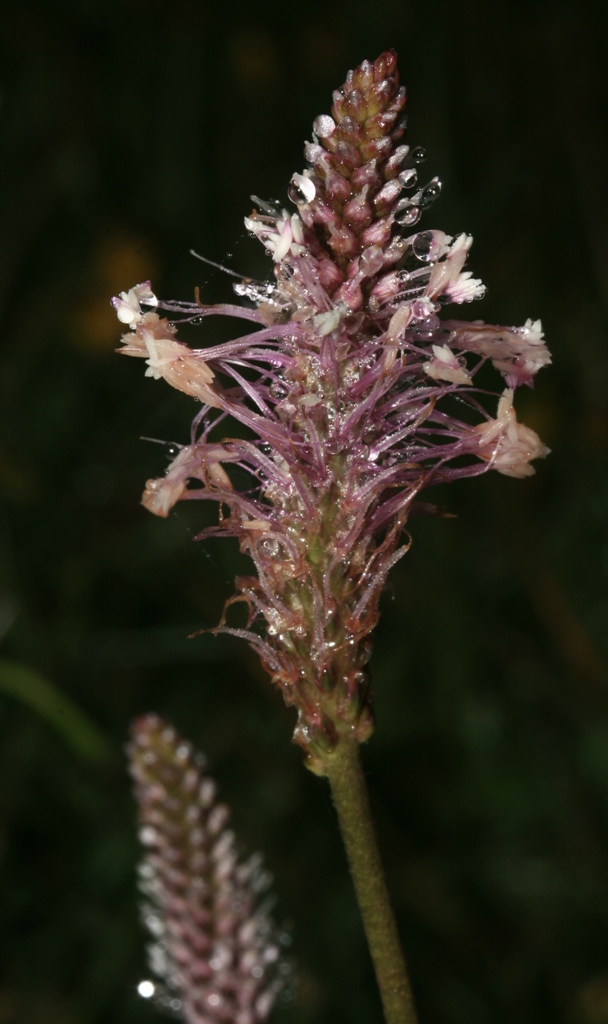
The species is hermaphrodite (has both male and female organs) and is pollinated by Wind, flies, beetles, bees. The plant is self-fertile.
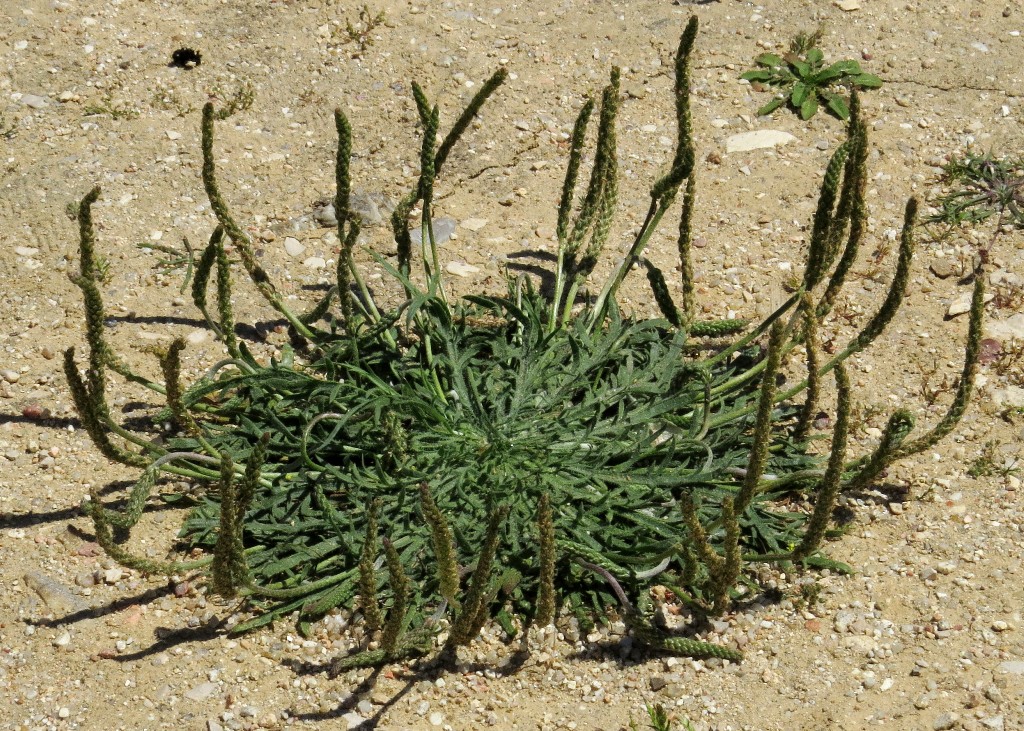
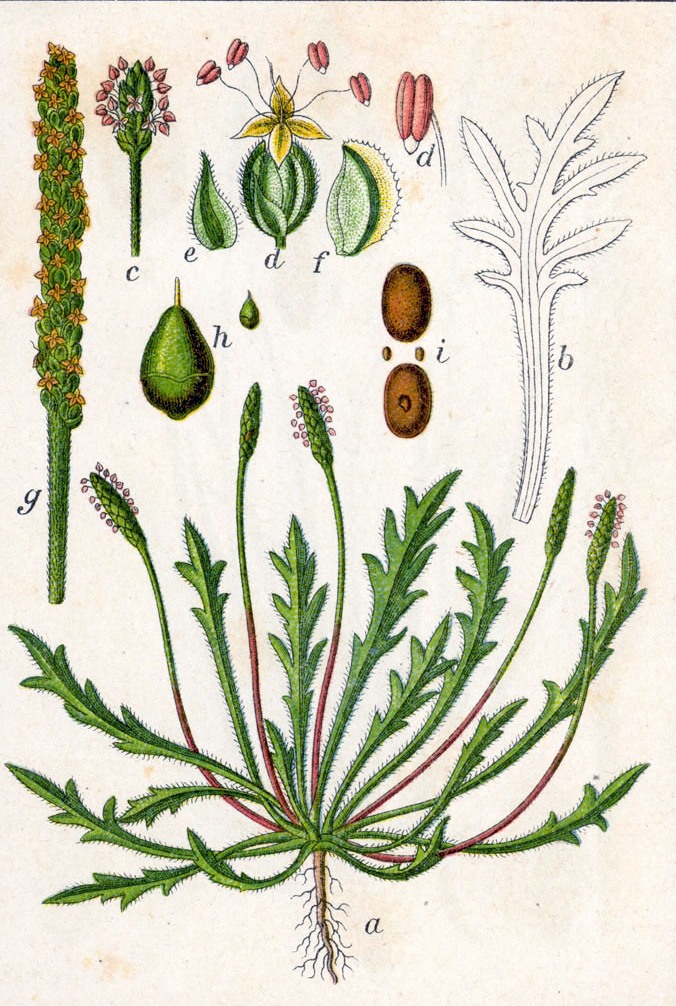
A perennial herb of dry, open, often heavily trampled habitats on acidic to basic stony or sandy soils, and in rock crevices. It occurs in open grassland, on heathlands, sand dunes and shingle, sea-cliffs and sea-walls, waste ground, amenity grassland and by paths. Although it has always been known from inland habitats in southern and eastern England, it is increasingly being recorded from beside salt-treated roads. I spotted it on Junction 10 of the M6 recently!
It is grown as a leaf vegetable known as erba stella, mostly incorporated in salad mixes for specialty markets. Recently it has become popular as a frost-hardy winter crop for farmers in northern climates, and is usually grown in unheated tunnels.
One of the nicer tasting members of this genus, the leaves are fairly tender and have a slight bitterness (Ken Fern PFAF). Some people blanch the leaves in boiling water for a few seconds before using them in salads in order to make them more tender.
This leaf is one of the ingredients of ‘misticanze’, a salad mixture of wild and cultivated leaves that originated in the Marche region of Italy.
The leaves are antiperiodic and ophthalmic. They are used as a remedy for ague and sore eyes. Plantain seeds contain up to 30% mucilage which swells up in the gut, acting as a bulk laxative and soothing irritated membranes. Sometimes the seed husks are used without the seeds.
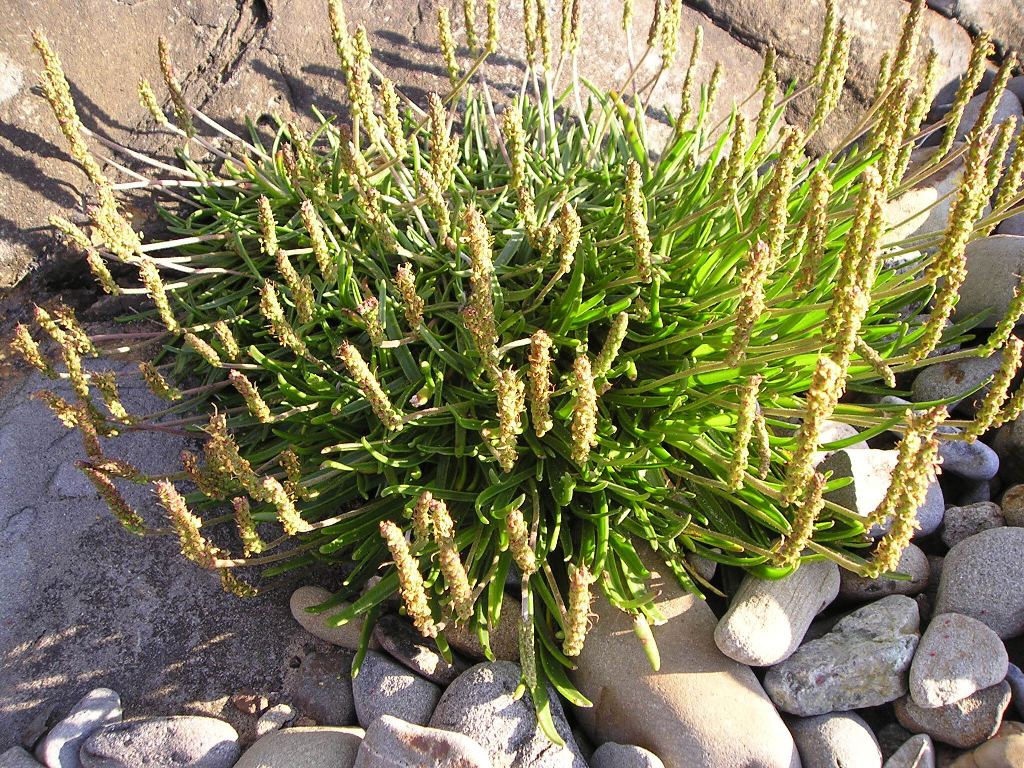
A perennial herb of the middle and upper zones of saltmarshes, coastal turf, rocks and cliffs, on coastal heaths and occasionally on shingle beaches and inland saltmarshes. In the uplands it is found in species-rich pastures, on stream banks, rock ledges and scree, and in stony flushes. It is also found along inland road verges.
Edible Uses:
Young leaves – raw or cooked.
This is one of the nicer-tasting members of the genus, the leaves are fairly low in fibres and make an acceptable addition to a mixed salad (Ken Fern, PFAF). The leaves are canned for winter use in Alaska.
Seed – raw or cooked. The seed can be ground into a powder and used as a flour extender. The seed is very small and tedious to harvest.
Medicinal Uses:
Plantain seeds contain up to 30% mucilage which swells up in the gut, acting as a bulk laxative and soothing irritated membranes. Sometimes the seed husks are used without the seeds.
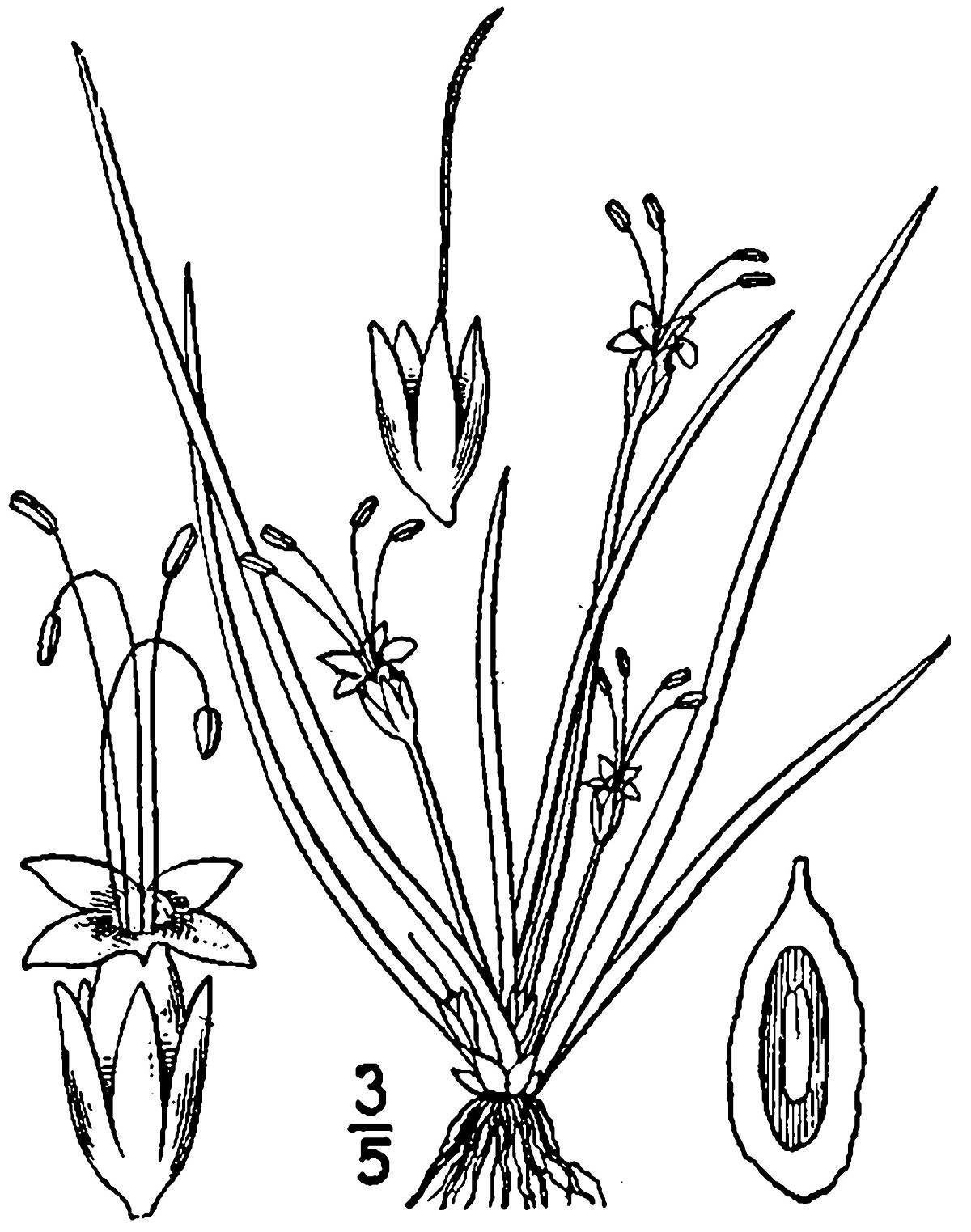
A perennial herb of oligotrophic or mesotrophic waters, found in lakes, reservoirs, rivers, streams, ponds and winter-flooded dune-slacks, growing on stones, gravel, sand, peat, marl or soft mud. It grows to a depth of about 4 metres and can form a dense band in the draw-down zone around lakes and reservoirs. It reproduces by seed and vegetatively by rooting stolons. Seeds remain viable for decades.
This is a low growing oxygenator with fat, fleshy leaves that form a carpet on the floor of the pond/shelf. Non flowering underwater, spreads by sending out runners.