
Members of the Lythraceae or Loosestrife family

The rare grass-poly (picture from Wikipedia)

Grass-poly or Lythrum hyssopifolia was in the news the other day:

“A rare plant that vanished from a farmland pond more than a century ago has ‘come back from the dead’. Delighted conservationists found the pinkish-flowered species, known as grass-poly, growing in rural Norfolk by a neglected waterhole. The stunning plant reappeared after seeds submerged in the mud were disturbed during work to restore the pond.“

Thanks are due for the information found on various websites (mainly Wikipedia, R.B.G. Kew Plants of the World Online, etc) and books for which I provide links. There is colour coding for easy reading. Blue and yellow for general interest, green for wildlife and other uses and pink where there are medicinal uses or warnings. All pictures are by Matt Summers otherwise mentioned.

Lets have a look at this plant and the rest of its family!

Contents:

The Lythraceae or Loosestrife family

Lythrum hyssopifolia or Grass-poly

L. junceum or False Grass-poly
L. portula or Water-purslane

L. salicaria or Purple-loosestrife

Continue reading “Members of the Lythraceae or Loosestrife family”

Conifers in the British Isles

This week I was inspired to write something about the Ethnobotanical uses of conifers!

Conifers are magnificent, awe-inspiring plants that have resisted 300 million years of whatever the planet has thrown at them!

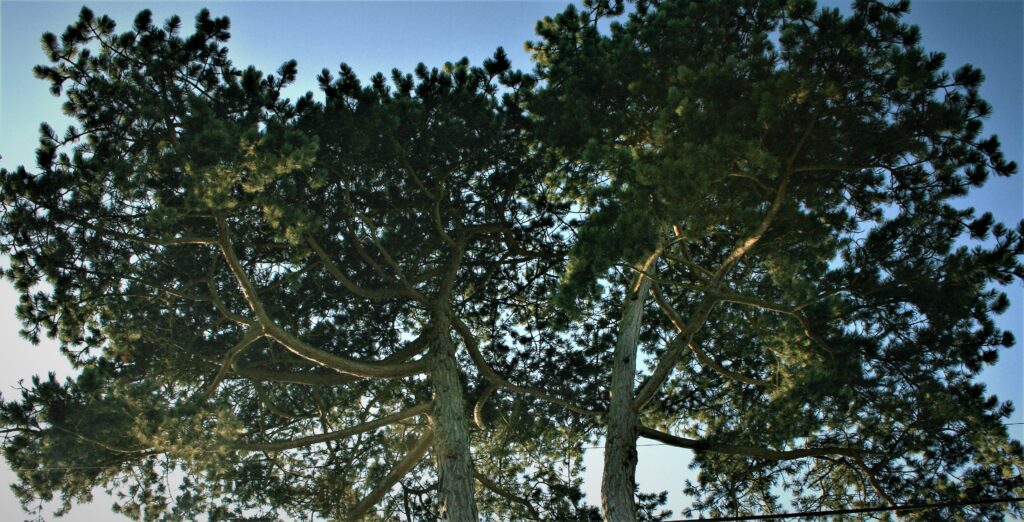
Scots Pines at Church Preen, Shropshire

My earlier posts have all been about Flowering Plants or Angiosperms which evolved from ~125 million years ago.

The main difference with the conifers is that the seeds develop in ovaries and are surrounded by a protective fruit.

The conifers are also called Gymnosperms or Naked seeds bearers in plain English..

See here for a longer explanation between Gymnosperms and Angiosperms.

Contents:

Conifers in the British Isles

The Larch

  • Larix x marschlinskii or Dunkeld Hybrid Larch
  • Larix decidua or European Larch
  • Larix kaempferi or Japanese Larch

Pinus sylvestris or Scotch Pine

Taxus baccata or Yew

Juniperus communis or Common Juniper

Continue reading “Conifers in the British Isles”