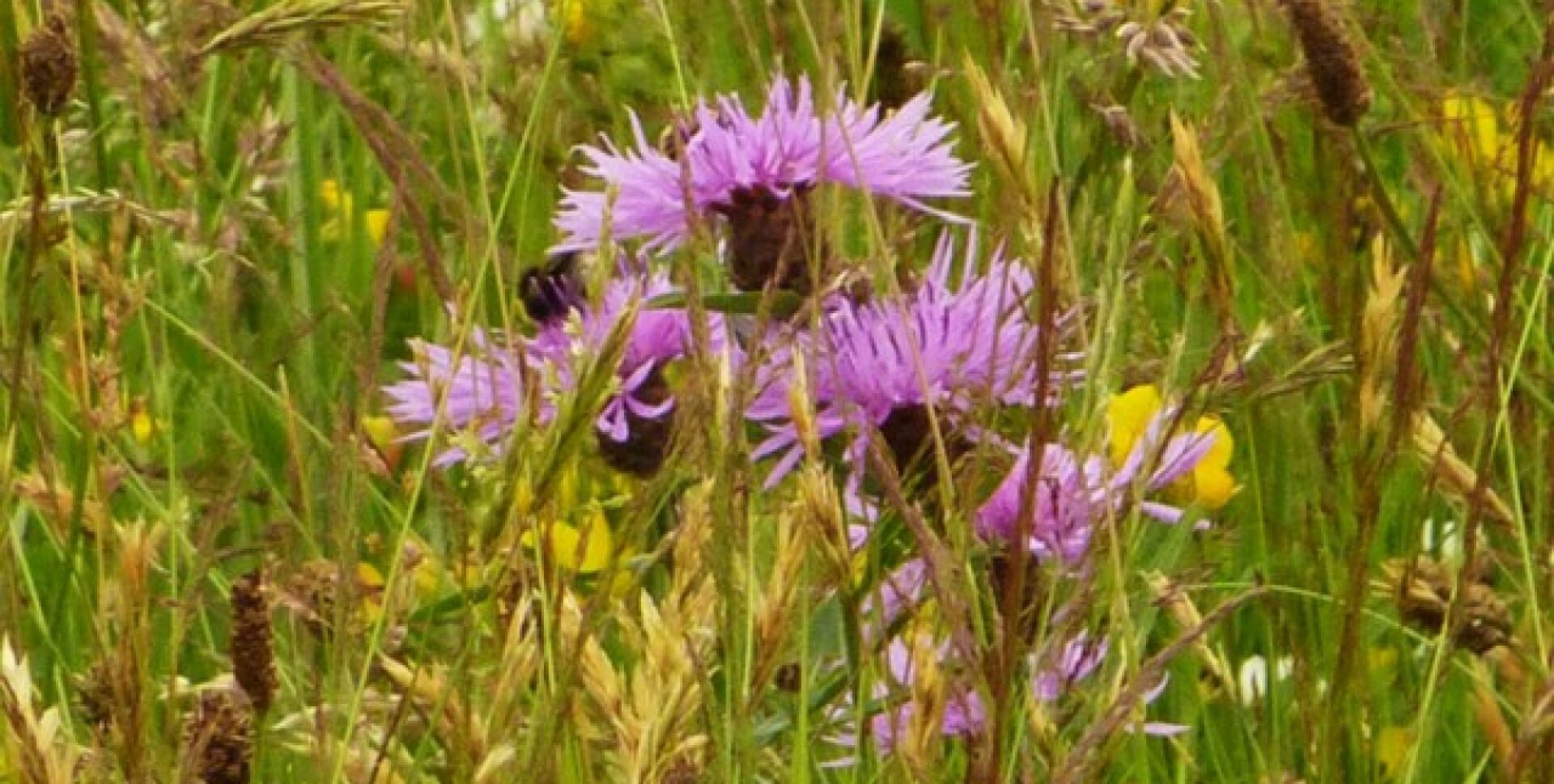
This family of the Lamiacea or the Deadnettle family (family 128 in Stace) is one of my favourites for the flowers and herbs it gives us. The insects and in particular the bees also love it for the nectar the flower provides.
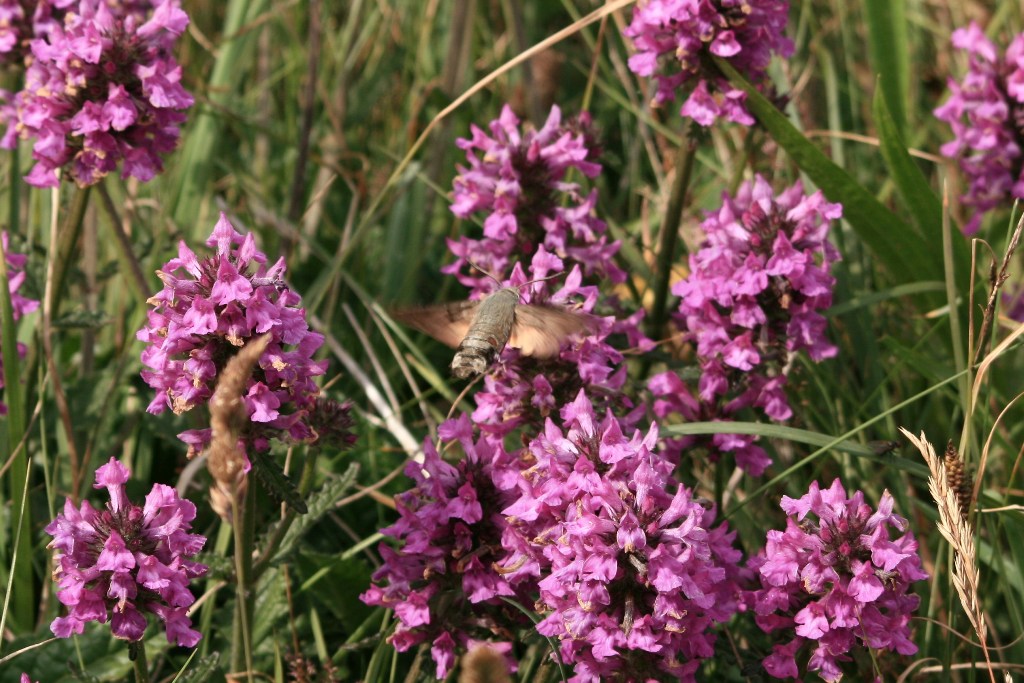
It is a large family in the B.I. with 27 genera. To identify to genus level, Stace has split them into 8 groups. Not all genera are native but may be garden escapes. As it is too large for one week I will spread this family into 3 separate blogs and weeks.
See Part 2 here: https://wonderfulweedweekly.co.uk/the-lamiaceae-or-dead-nettle-family-part-2/ for the following species:
- Nepeta cataria or Cat-mint
- Prunella spp or Selfheals
- Glechoma hederacea or Ground-ivy
- Clinopodium spp. or Calamints
- Origanum vulgare or Wild Marjoram
- Thymus spp or Thymes
See Part 3 here: https://wonderfulweedweekly.co.uk/the-lamiaceae-or-dead-nettle-family-part-3/ for the following species:
- Lycopus europaeus or Gypsywort
- Mentha or the Mints
- Salvia or Sage
To make life even easier for identifying the plants the taxonomists also have sub divided this large family world-wide into 4 Subfamilies, where again the genera in those groups have similar characters.
On the next page you can find the uses for all the members of the first 2 Subfamilies:
Blue background for general interest. Green background for general uses and wildlife. Pink background for medicinal uses. Pictures by Matt Summers, Mike Poulton or Rudi Pilsel unless otherwise stated. This post is updated with jumplinks. Also description info from Plant Atlas Online and see their gallery for pictures as well as in Wikipedia commons found on their website. Also added FBBC behind the names in ‘Contents’ if plants occur in the Flora of Birmingham and the Black Country.
Contents:
SUBFAMILY 1: LAMIOIDEAE (genus 1-10)
1) Stachys or Woundworts with 9 species;
- S. alpina or Limestone Woundwort
- S. annua or Annual Yellow-woundwort (neophyte) (FBBC)
- S. arvensis or Field Woundwort (archaeophyte) (FBBC)
- S. byzantina or Lamb’s-ear (neophyte) (FBBC)
- S. germanica or Downy Woundwort
S. palustris or Marsh Woundwort (FBBC)
S. sylvatica or Hedge Woundwort (FBBC)
- S. × ambigua (= Stachys palustris × sylvatica) or Hybrid Woundwort (FBBC)
- S. recta or Perennial Yellow-woundwort (neophyte)
2) Betonica officinalis or Betony (FBBC)
3) Ballota nigra or Black Horehound (FBBC)
4) Leonorus cardiaca or Motherwort (FBBC)
5) Lamiastrum galeobdolon subsp. montanum or Yellow Archangel (FBBC)
- Lamiastrum galeobdolon subsp. argentatum (FBBC)
6) Lamium or Dead-nettles
- L. album or White Dead-nettle (FBBC)
- L. purpureum or Red Dead-nettle (FBBC)
- L. hybridum or Cut-leaved Dead-nettle (FBBC)
- L. amplexicaule or Henbit Dead-nettle (FBBC)
- L. confertum or Northern Dead-nettle
- L. maculatum or Spotted Dead-nettle (FBBC)
7) Galeopsis or Hemp-nettles
- G. angustifolia or Red Hemp-nettle (FBBC)
- G. bifida or Bifid Hemp-nettle (FBBC)
- G. segetum or Downy Hemp-nettle
- G. speciosa or Large-flowered Hemp-nettle (FBBC)
- G. tetrahit agg. or Common Hemp-nettles (FBBC)
- G. × ludwigii (= Galeopsis bifida × tetrahit)
9) Melittis melissophyllum or Bastard balm (FBBC)
10) Marrubium vulgare or White Horehound
SUBFAMILY 2: SCUTELLARIOIDEAE (Genus 11 in Stace)
- Scutellaria galericulata or Skullcap (FBBC)
- S. altissima or Somerset Skullcap (neophyte)
- S. minor or Lesser Skullcap (FBBC)
Uses are mainly medicinal so the following information comes mostly from the very useful book by Julian Barker: The Medicinal Flora of Britain and Northwestern Europe. For clarity I will use the order as above in Stace rather than the order in this book. There are many difficult medical terms for which links are provided if you wish to know more about this.
Continue reading “The Deadnettle family or Lamiaceae part 1”