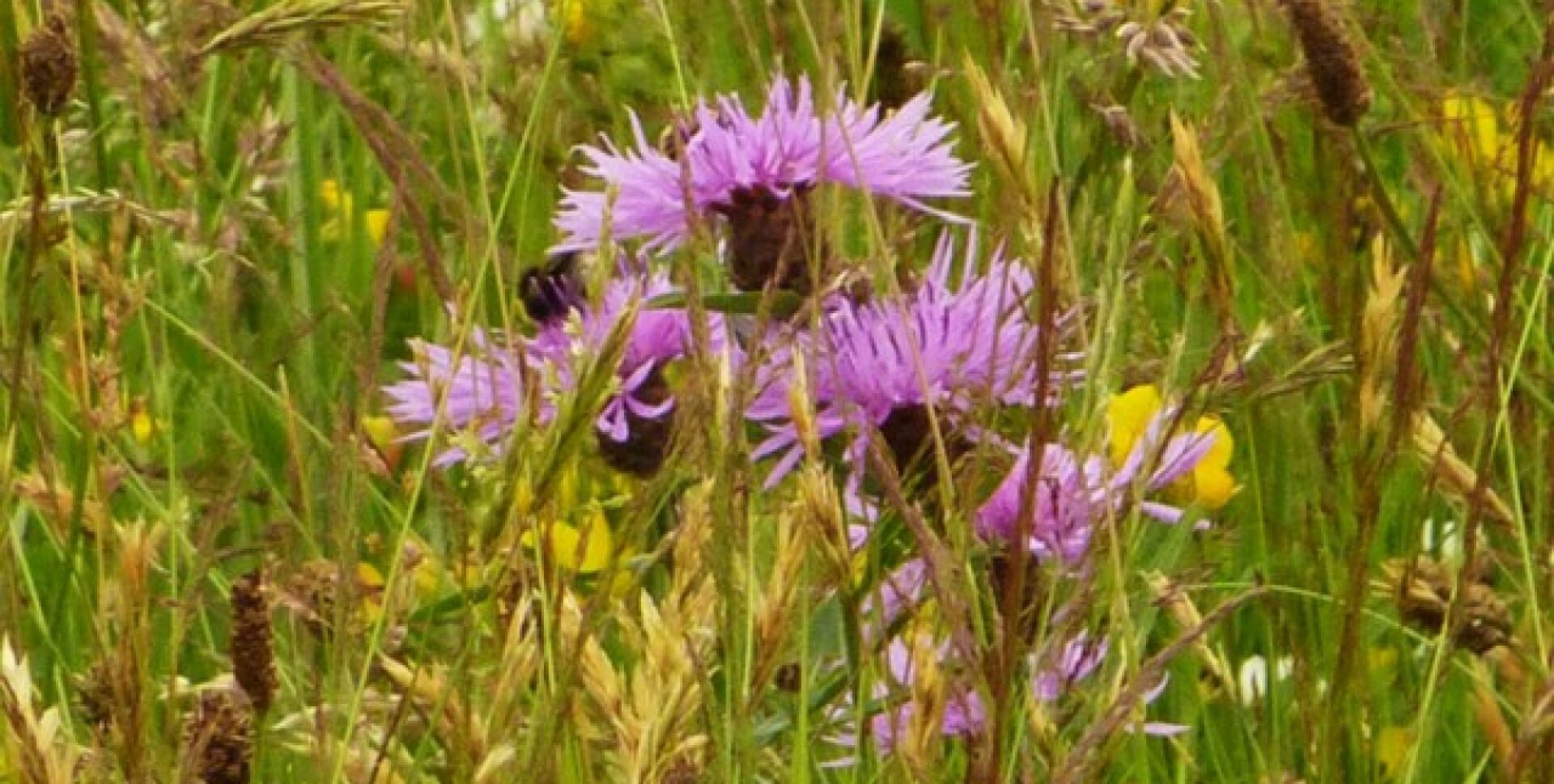
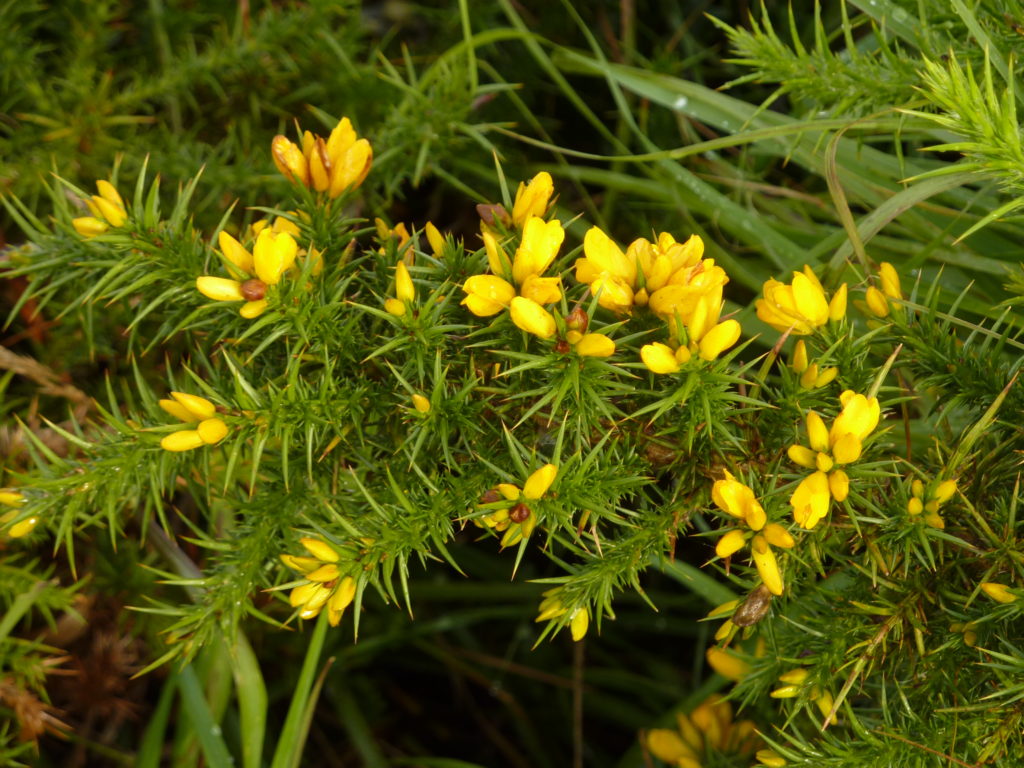
Nowadays they are called Fabaceae, but they were long known as Leguminosae and commonly known as the legume, pea, or bean family.
This is a large and economically important family in the world. It includes trees, shrubs, and perennial or annual herbaceous plants, which are easily recognized by their fruit (a ‘bean’) and/or their compound, stipulate leaves.
It is not as large a family in Britain perhaps but an interesting and useful family all the same! Credits are due once again to Stace‘s Flora, J. Barker’s Medicinal Flora, Plantlife and Wikipedia for most information. The link on the scientific names are mostly from the Plant Atlas 2020 Online and the information from the habitats is also copied from this Online Atlas. Pictures of the plant can be found in the ‘Gallery’. The link on the Common Name is from a website with usually some more info and pictures of the plant. I try and use UK sites as much as possible! Pictures, with thanks from Matt Summers (MS), Mike Poulton (MWP), Rudi Pilsel (RP), Sue Collingswood (SJC) and Chris Westall (CW) and from Wikipedia Commons.
In case there are any medical uses stated with the plants mentioned below, please take sensible advise from a qualified herbalist.
If you would like to learn a bit more about the classification of this large family I can recommend Britannica.com webpage
NN behind many of the names in the descriptions means Non-Native (which either could be an archaeophyte or more commonly a neophyte) and has been deliberately or accidentally introduced and has naturalised into the wild.
FBBC in the Contents page, behind the names, means that it also occurs in the Flora of Birmingham and the Black Country!
Contents
General information on this important family
Subfamily 1: The Faboideae
Tribe 1: Robineae
Robinia pseudoacacia orFalse-acacia FBBC
Tribe 2: Phaseoleae or ‘Beans’
- Phaseolus vulgaris or French Bean
- P. coccineus or Runner Bean FBBC
- Vigna radiata or Mung Bean
- Glycine max or Soyabean
Tribe 3: Psoraleeae
Cullen americanum or Scurfy Pea
Tribe 4: Galegeae
- Galega officinalis or Goat’s-rue FBBC
- Colutea arborescens or Bladder-senna FBBC
- C. x media or Orange Bladder-senna
- Astragalus cicer or Chick-pea Milk-vetch
- A. danicus or Purple Milk-vetch
- A. alpinus or Alpine Milk-vetch
- A. glycyphyllos or Wild Liquorice
- A. odoratus or Lesser Milk-vetch
- Oxytropis campestris or Yellow Oxytropis
- O. halleri or Purple Oxytropis
Tribe 5: Hedysareae
Onobrychis viciifoli or Sainfoin FBBC
Tribe 6: Loteae
- Anthyllis vulneraria or Kidney Vetch FBBC
- Lotus hirsutus (Dorycnium hirsutum) or Hairy Canary clover FBBC
- Lotus tenuis or Narrow-leaved Bird’s-foot-trefoil FBBC
- L. corniculatus or Common Bird’s-foot-trefoil FBBC
- L. corniculatus var. sativus FBBC
- L. pedunculatus or Greater Bird’s-foot-trefoil FBBC
- L. subbiflorus or Hairy Bird’s-foot-trefoil
- L. angustissimus or Slender Bird’s-foot-trefoil
- Tetragonolobus maritimus or Dragon’s-teeth
Tribe 7: Coronilleae
- Ornithopus compressus or Yellow Serradella FBBC
- O. sativus or Serradella
- O. perpusillus or Bird’s foot FBBC
- O. pinnatus or Orange Bird’s- foot
- Coronilla valentina or Shrubby Scorpion-vetch
- C. scorpioides or Annual Scorpion-vetch
- Hippocrepis comosa orHorseshoe Vetch
- H. emerus or Scorpion Senna
- Securigera varia or Crown Vetch FBBC
- Scorpiurus muricatus or Caterpillar plant FBBC
Tribe 8: Fabeae
Vicia spp.
- Vicia benghalensis or Purple Vetch
- V. bithynica or Bithynian Vetch FBBC
- V. cracca or Tufted Vetch FBBC
- V. ervilia or Bitter Vetch
- V. faba or Broad Bean FBBC
- V. hybrida or Hairy Yellow-vetch FBBC
- V. lathyroides or Spring Vetch
- V. lens or Lentil FBBC (or Lens culinaris?)
- V. lutea or Yellow-vetch
- V. narbonensis or Narbonne Vetch
- V. orobus or Wood Bitter-vetch
- V. pannonica or Hungarian Vetch FBBC
- V. sativa or Common Vetch FBBC
- V. sativa subsp. sativa FBBC
- V. sativa subsp. nigra or Narrow-leaved Vetch FBBC
- V. sativa subsp. segetalis FBBC
- V. sepium or Bush Vetch FBBC
- Vicia tenuifolia or Fine-leaved Vetch FBBC
- Vicia villosa or Fodder Vetch FBBC
- Ervilia hirsuta or Hairy Tare FBBC
- E. sylvatica or Wood Vetch
- Ervum tetraspermum or Smooth Tare FBBC
Lathyrus spp.
- Lathyrus annuus or Fodder Pea
- L. aphaca or Yellow Vetchling FBBC
- L. grandiflorus or Two-flowered Everlasting-pea FBBC
- L. heterophyllus or Norfolk Everlasting-pea
- L. hirsutus or Hairy Vetchling
- L. japonicus or Sea Pea
- L. latifolius or Broad-leaved Everlasting-pea FBBC
- L. linifolius or Bitter-vetch FBBC
- L. niger or Black Pea
- L. nissolia or Grass Vetchling FBBC
- L. odoratus or Sweet Pea FBBC
- L. oleraceus (Pisum sativum?) or Garden Pea FBBC
- L. palustris or Marsh Pea
- L. pratensis or Meadow Vetchling FBBC
- L. sativus or Indian Pea FBBC
- L. sylvestris or Narrow-leaved Everlasting-pea FBBC
- L. tuberosus or Tuberous Pea
- L. vernus or Spring Pea
Tribe 9: Cicereae
Cicer arietinum or Chick Pea (NN) FBBC
Tribe 10: Trifolieae
Ononis spp. or Restharrows
- Ononis reclinata or Small Restharrow
- O. repens or Common Restharrow FBBC
- O. spinosa or Spiny Restharrow FBBC
Melilotus spp. or Melilots
- Melilotus albus or White Melilot FBBC
- M. altissimus or Tall Melilot FBBC
- M. indicus or Small Melilot FBBC
- M. officinalis or Ribbed Melilot FBBC
- M. sulcatus or Furrowed Melilot
- Trigonella foenum-graecum or Fenugreek FBBC
Medicago spp. or Medicks
- Medicago arabica or Spotted Medick FBBC
- M. laciniata or Tattered Medick
- M. littoralis or Shore Medick
- M. lupulina or Black Medick FBBC
- M. minima or Bur Medick
- M. polymorpha or Toothed Medick
- M. praecox or Early Medick
- M. truncatula or Strong-spined Medick
- M. sativa subsp. falcata or Sickle Medick FBBC
- M. sativa subsp. sativa orLucerne FBBC
- M. sativa nothosubsp. varia (M. sativa subsp. falcata × subsp. sativa) or Sand Lucerne FBBC
Trifolium or Clover
- Trifolium alexandrinum or Egyptian Clover
- T. angustifolium or Narrow-leaved Clover
- T. arvense or Hare’s-foot Clover FBBC
- T. aureum or Large Trefoil
- T. bocconei or Twin-headed Clover
- T. campestre or Hop Trefoil FBBC
- T. dubium or Lesser Trefoil FBBC
- T. echinatum or Hedgehog Clover
- T. fragiferum or Strawberry Clover
- T. glomeratum or Clustered Clover
- T. hybridum or Alsike Clover FBBC
- T. incarnatum subsp. incarnatum or Crimson Clover FBBC
- T. incarnatum subsp. molinerii or Long-headed Clover
- T. medium or Zigzag Clover FBBC
- T. micranthum or Slender Trefoil FBBC
- T. occidentale or Western Clover
- T. ochroleucon or Sulphur Clover
- T. ornithopodioides or Bird’s-foot Clover
- T. pannonicum or Hungarian Clover
- T. pratense or Red Clover FBBC
- T. repens or White Clover FBBC
- T. resupinatum or Reversed Clover FBBC
- T. scabrum or Rough Clover
- T. squamosum or Sea Clover
- T. stellatum or Starry Clover
- T. striatum or Knotted Clover FBBC
- T. strictum or Upright Clover
- T. subterraneum or Subterranean Clover
- T. suffocatum or Suffocated Clover
- T. tomentosum or Woolly Clover
Tribe 11: Thermopsideae or False Lupin
Thermopsis montana or False Lupin
Tribe 12: Genisteae
Lupinus spp.
- Lupinus arboreus or Tree Lupin FBBC
- L. x regalis or Russell Lupin FBBC
- L. albus or White Lupin
- L. angustifolius or Narrow-leaved Lupin
- L. nootkatensis or Nootka Lupin
- L. polyphyllus or Garden Lupin
Laburnum spp. (all NN)
- Laburnum anagyroides or Laburnum FBBC
- L. x wateri or Hybrid Laburnum FBBC
- L. alpinum or Scottish Laburnum FBBC
Cytisus spp.
- Cytisus multiflorus or White Broom FBBC
- C. nigricans or Black Broom
- Cytisus scoparius or Broom FBBC
- Cytisus scoparius subsp. maritimus or Prostrate Broom
- C. striatus or Hairy-fruited Broom FBBC
- Spartium junceum or Spanish Broom FBBC
Genista spp.
- Genista aetnensis or Mount Etna Broom
- G. anglica or Petty Whin FBBC
- G. hispanica or Spanish Gorse FBBC
- G. monspessulana or Montpellier Broom
- G. pilosa or Hairy Greenweed
- G. tinctoria or Dyer’s Greenweed FBBC
Ulex spp. or Gorse
- Ulex europaeus or Gorse FBBC
- U. gallii or Western Gorse FBBC
- U. minor or Dwarf Gorse
- U. × breoganii (Ulex europaeus × gallii)
- Arachis hypogaea or Peanut FBBC