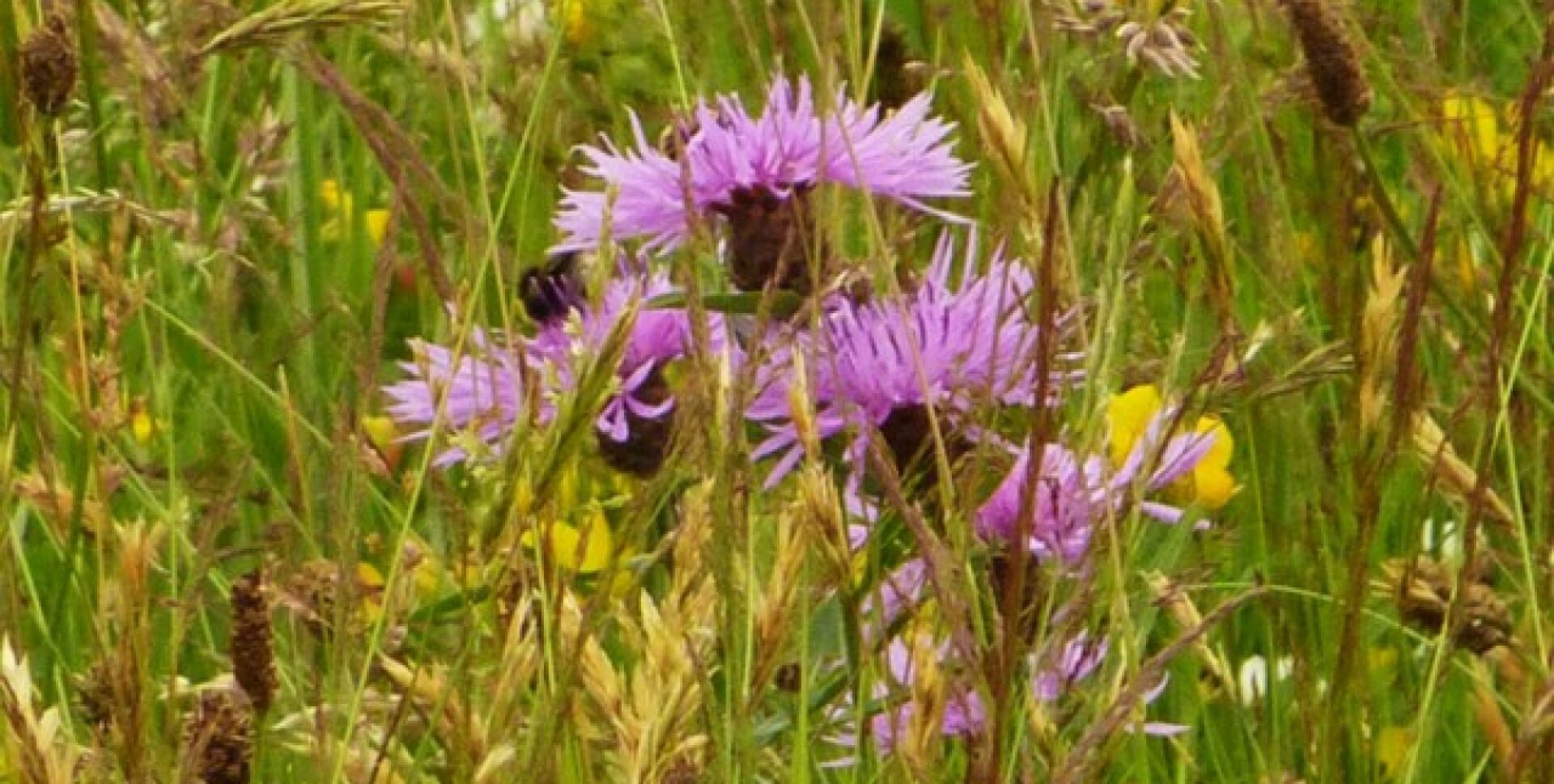

The family of Poaceae, which is the last family in Stace’s and most other modern Floras has 5 Sub-families and 16 tribes.
It is by far the largest family in the temperate world as grasses flourish in nearly every habitat!
Stace does mention many obvious non-natives which have naturalized in several places, as well as crop plants which have been grown in the B.I. for many centuries.
Many people find grasses hard to identify and this is mostly due because of their small parts, which often need be looked at through magnifying glasses and of course they are mainly all green!
However with a bit of practise and knowledge into which diagnostics to look for, they are not too difficult. It can get addictive as the flowers are often beautiful when you see them through magnifying glasses or a special botanizing hand lens.
I use colour coding for easy reading! Blue background is general interesting info (although I hope you find it all interesting!!). Green is about all the uses except for medicinal uses or if there is a warning in which case I use a pink background. Amber coloured background is for all the cereal grasses this time. Pictures by Matt Summers and Mike Poulton unless stated. Use the links in the contents for easy navigation and links are also provided on most names for more information and pictures of the plants.
Contents
Gallery of grasses (by Mike Poulton)
Identifying Grasses
Ornamental Uses of Grasses
How to make a standard lawn more attractive!
Mixes of grasses for hard wearing and fine turf
Wildlife Uses
Main uses of Grasses
Some useful grasses:
Marram Grass or Ammophila arenaria
Leymus or Leymus arenarius
Common Reed or Phragmites australis
Floating Sweet grass or Glyceria fluitans
Small Sweet-grass or Glyceria declinata
Perennial Rye Grass or Lolium perenne
Italian Rye Grass or Lolium multiflorum
(Mainly) Medicinal Grasses:
Sweet Vernal Grass or Anthoxanthum oderatum
Sweet/Holy Grass or Hierochloe odorata
Darnel or Lolium termulentum
Couch Grass/Twitch or Elymus repens
Cultivated Grains in our temperate world:
Wheat or Triticum
Spelt or Triticum spelta
Rye or Secale
Barley or Hordeum
Oats or Avena
and their uses for: